

Choosing the right LED lighting can feel overwhelming. With hundreds of options on the market, different wattages, color temperatures, and designs, it’s easy to make the wrong choice.
That’s exactly why this LED Buying Guide exists.
Whether you are buying LED lights for your home, office, retail space, or vending machines, understanding how LEDs work will help you save money, reduce energy costs, and get better lighting performance in the long run.
In this guide, you’ll learn:
- How to compare LED lights correctly
- What specifications actually matter
- How to avoid common buying mistakes
Let’s break it down step by step.
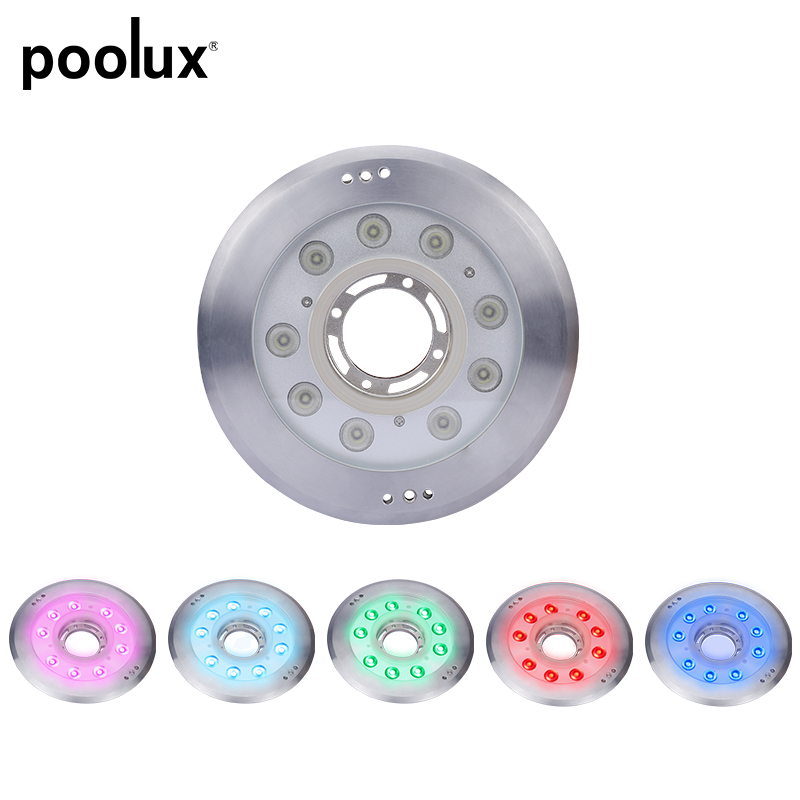
What Is LED Lighting and How Does It Work?
LED stands for Light Emitting Diode. Unlike traditional incandescent or fluorescent bulbs, LEDs produce light through a semiconductor process rather than heating a filament.
Key Advantages of LED Lights
- Extremely energy efficient
- Long lifespan (often 25,000–50,000 hours)
- Low heat output
- Environmentally friendly
Because of these benefits, LEDs are now widely used in:
- Homes
- Commercial buildings
- Factories
- Vending machines and entertainment equipment
Types of LED Lights You Can Buy
Understanding LED categories helps you choose the right product faster.
LED Bulbs
Most common type, designed to replace traditional bulbs.
- A19, GU10, MR16, etc.
- Ideal for home and office use
LED Panels
- Flat, modern design
- Used in offices, shops, and schools
- Provides even light distribution
LED Strips
- Flexible and decorative
- Popular for cabinets, displays, and machines
Industrial & Commercial LEDs
- High-lumen output
- Built for durability and long operating hours
How to Choose the Right Brightness (Lumens, Not Watts)
One of the biggest mistakes buyers make is focusing on watts.
Why Lumens Matter More
- Lumens = brightness
- Watts = energy consumption
| Use Case | Recommended Lumens |
|---|---|
| Bedroom | 800–1,200 |
| Living Room | 1,500–3,000 |
| Office | 3,000–5,000 |
| Commercial Area | 5,000+ |
💡 Tip: Always compare LEDs by lumens, not watts.
Understanding Color Temperature (Kelvin Explained)
Color temperature affects mood, visibility, and comfort.
Common Color Temperatures
- 2700K–3000K: Warm white (homes, hotels)
- 4000K: Neutral white (offices, retail)
- 5000K–6500K: Cool white/daylight (factories, machines)
For vending machines or entertainment equipment, 4000K–5000K is often ideal.
Energy Efficiency and Cost Savings
LEDs may cost more upfront, but they save money long term.
Why LEDs Are Cheaper Over Time
- Use up to 80% less energy
- Require fewer replacements
- Lower maintenance costs
For businesses running lights 24/7, LEDs can reduce electricity bills dramatically.
How to Check LED Quality Before Buying
Not all LEDs are created equal.
What to Look For
- Certifications (CE, RoHS, UL)
- Brand reputation
- Warranty (minimum 2–3 years)
- Heat dissipation design
Avoid no-name products with unclear specifications.
LED Buying Guide for Home Use
For homes, comfort and efficiency matter most.
Best Choices
- Warm white for bedrooms
- Dimmable LEDs for living rooms
- Energy-efficient bulbs for kitchens
Home users should focus on light quality and color consistency.
LED Buying Guide for Commercial & Industrial Use
Commercial buyers need durability and brightness.
Key Considerations
- High lumen output
- Long operating life
- Stable color temperature
- Low failure rate
LED panels and high-bay LEDs are popular choices here.
Common LED Buying Mistakes to Avoid
- Buying based on watts only
- Ignoring color temperature
- Choosing the cheapest option
- Forgetting compatibility (dimmers, fixtures)
A smart buyer always checks specifications carefully.
How to Compare LED Products Online
When shopping online:
- Read detailed specs
- Compare lumen output
- Check customer reviews
- Look at real product photos
Authoritative resources like Energy Star can also help you evaluate efficiency standards:
👉 https://www.energystar.gov
FAQs – LED Buying Guide
1. How long do LED lights really last?
Most LEDs last between 25,000 and 50,000 hours.
2. Are LEDs safe for eyes?
Yes, quality LEDs with proper diffusers are safe.
3. Can LEDs save money?
Absolutely. They reduce energy and replacement costs.
4. What is the best color temperature for offices?
Neutral white (4000K) works best.
5. Are LED lights environmentally friendly?
Yes, they contain no mercury and reduce emissions.
6. Is this LED Buying Guide suitable for businesses?
Yes, it covers both home and commercial use.
Conclusion: Choosing LEDs the Smart Way
A well-informed buyer always gets better results.
This LED Buying Guide shows that choosing the right LED lights isn’t about buying the most expensive option—it’s about understanding brightness, color temperature, efficiency, and quality.


