The Latest Trends in Underwater LED Pool Lighting
Underwater LED pool lighting has become an essential part of modern swimming pool design. Beyond basic illumination, today’s pool lighting systems focus on energy efficiency, smart control, color customization, durability, and visual experience.
As swimming pool projects continue to evolve, pool owners, contractors, distributors, and project developers are looking for lighting solutions that combine attractive designs with reliable performance.
For swimming pool lighting manufacturers and buyers, understanding the latest underwater LED pool lighting trends is important when selecting products and planning future projects.
In this article, we explore seven key trends shaping the underwater LED pool lighting industry in 2026 and what buyers should consider when choosing products for residential and commercial swimming pools.
## 1. Energy-Efficient LED Pool Lighting Is Becoming a Priority
Energy efficiency remains one of the most important considerations in modern swimming pool lighting.
Traditional incandescent and halogen pool lights consume more electricity and generally require more frequent replacement than LED alternatives. Modern LED pool lights provide efficient illumination while offering a longer potential service life.
For hotels, resorts, public swimming pools, and commercial aquatic facilities, reducing electricity consumption and maintenance requirements can make a meaningful difference to operating costs.
Manufacturers are therefore focusing on improving LED efficiency, optical performance, and heat management.
When selecting energy-efficient underwater LED pool lights, buyers should consider:
– Actual power consumption and light output
– Lumens per watt
– LED chip quality
– Thermal management design
– Expected service life under specified operating conditions
– Product testing and safety certifications
Rather than comparing wattage alone, buyers should evaluate the relationship between power consumption and usable light output.
2. RGB and RGBW Color-Changing Pool Lights Are Gaining Popularity
One of the most noticeable trends in underwater LED pool lighting is the growing interest in color-changing technology.
Instead of traditional single-color lighting, modern LED pool lights can offer multiple colors and dynamic lighting effects.
RGB technology combines red, green, and blue LEDs to create different colors. RGBW technology adds a dedicated white LED channel, providing additional flexibility for white illumination and color effects.

These lighting options are particularly popular in:
– Luxury residential swimming pools
– Hotel and resort swimming pools
– Water parks
– Landscape fountains
– Commercial swimming facilities
– Outdoor entertainment areas
Color-changing underwater LED lights allow designers to create different atmospheres for swimming, relaxation, and special events.
For buyers, it is important to compare color consistency, brightness, control compatibility, and the available lighting modes before choosing an RGB or RGBW pool light.
3. Smart Pool Lighting and Remote Control Technology
Smart technology is changing the way swimming pool lighting systems are controlled.
Modern pool owners increasingly value convenient lighting management through compatible controllers, remote controls, and smartphone applications.
Depending on the product and control system, smart underwater LED pool lighting can offer:
– Remote on/off operation
– Color selection
– Brightness adjustment
– Programmable lighting scenes
– Scheduled operation
– Integration with compatible pool automation systems
For commercial swimming pools and hospitality projects, centralized lighting control can make daily operation more convenient.
However, not every LED pool light supports Wi-Fi, Bluetooth, or smart home integration. Buyers should confirm the communication protocol and controller compatibility before purchasing.
Manufacturers that provide clear technical specifications and compatible control options can better support distributors and swimming pool project contractors.
4. Better Light Distribution and Reduced Glare
Brightness is important, but it is not the only factor that determines underwater lighting quality.
A well-designed swimming pool lighting system should provide even illumination, minimize dark areas, and reduce uncomfortable glare.
Poor light distribution may create bright spots near fixtures while leaving other parts of the pool insufficiently illuminated.
Recent product developments emphasize improved optical design, lens structures, and light distribution.
When planning underwater LED pool lighting, consider:
Optical Design: Lens and reflector designs influence how light spreads throughout the water.
Installation Position* The location, depth, and angle of each light affect the final illumination.
Pool Structure:* Pool dimensions, depth, shape, and interior finish can change how light appears underwater.
**Fixture Selection:** Consistent fixture models and suitable light output can help achieve a more balanced result.
For larger pools, commercial projects, and irregular pool shapes, lighting layout should be considered during the early design stage.
## 5. Waterproofing and Corrosion Resistance Are Critical
Underwater pool lights operate in a demanding environment. Continuous exposure to water, pool chemicals, and varying operating temperatures places additional requirements on product construction.
Waterproof performance and corrosion resistance are therefore important considerations for manufacturers and buyers.
Common product design considerations include:
– Reliable sealing structures
– High-quality gaskets and waterproof connections
– Corrosion-resistant housing materials
– Durable lens materials
– Suitable cable and connection protection
– Effective thermal management
For saltwater pools, material selection deserves particular attention because salt exposure can increase corrosion risks for unsuitable metal components.
Depending on the application, manufacturers may use engineering plastics, stainless steel, and other materials designed for underwater environments.
Buyers should verify the product’s actual ingress protection rating, applicable certifications, and suitability for the intended pool environment rather than relying on general marketing descriptions.
## 6. LED Pool Light Replacement and Retrofit Projects Are Creating Opportunities
Not every swimming pool project involves new construction.
Many existing residential and commercial swimming pools still use older incandescent or halogen lighting systems. As these fixtures reach the end of their service life, owners may consider upgrading to LED pool lights.

LED pool light replacement offers several potential advantages:
– Lower energy consumption
– More lighting color options
– Reduced routine replacement requirements
– Opportunities to modernize pool appearance
– Improved compatibility with newer lighting controls, where supported
For distributors and swimming pool contractors, replacement and renovation projects represent an important product application.
However, not all LED pool lights are compatible with existing fixtures or electrical systems. Before recommending a replacement, check the original fixture dimensions, voltage, niche compatibility, cable requirements, and applicable electrical standards.
Electrical work on underwater lighting systems should be performed by qualified professionals.
7. Underwater LED Lighting Is Expanding Beyond Traditional Swimming Pools

Another important trend is the wider application of underwater LED lighting in water-related architectural and recreational projects.
LED underwater lighting is increasingly incorporated into different types of water features, including:
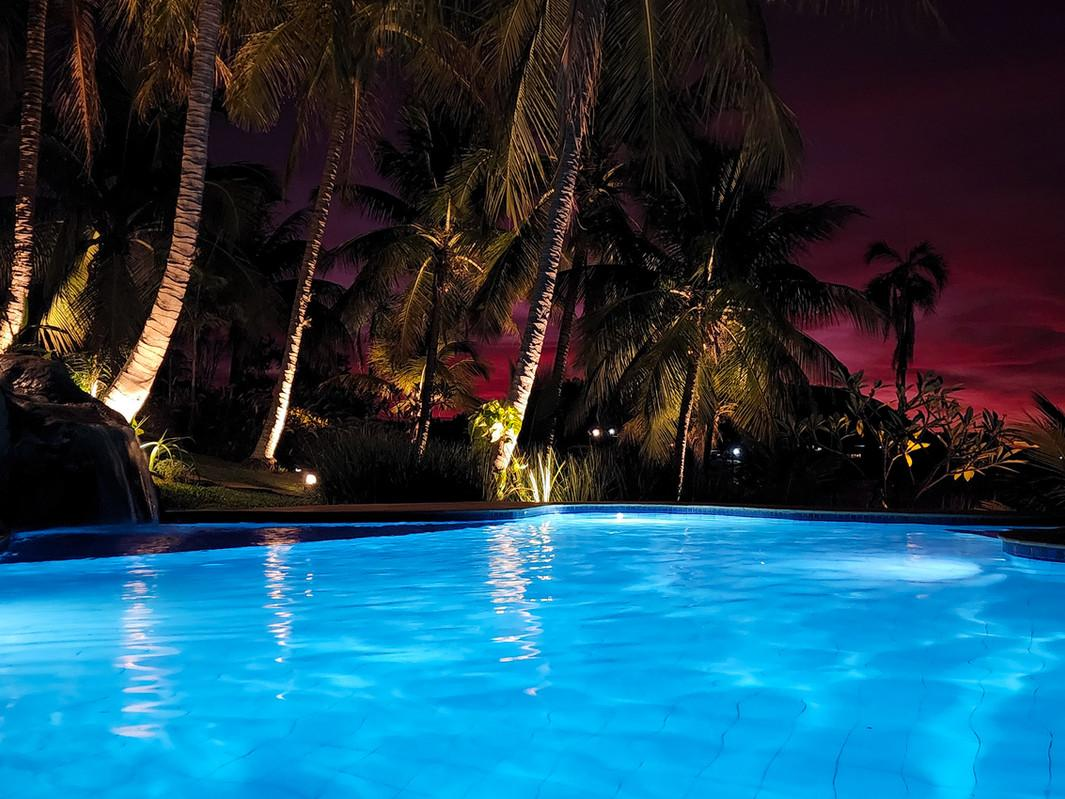
**Residential Swimming Pools:** Lighting that enhances nighttime visibility and creates an attractive backyard environment.
**Hotel and Resort Pools:** Underwater lighting designed to complement luxury pool designs and outdoor hospitality spaces.
**Landscape Fountains:** Color-changing fountain lights that highlight water movement and architectural features.
**Water Parks:** Lighting systems for decorative pools, water attractions, and recreational environments.
**Commercial Aquatic Facilities:** Underwater illumination designed for suitable public and professional swimming pool applications.
This broader range of applications creates opportunities for manufacturers to develop different fixture sizes, installation options, lighting effects, and product specifications.
## How to Choose the Right Underwater LED Pool Light
With more product options available, selecting the right underwater LED pool light requires careful consideration.
Here are six important factors for buyers, distributors, and project contractors.
### 1. Voltage and Electrical Compatibility
Check whether the product is designed for the electrical system used in the project. Confirm transformer and controller compatibility where applicable.
### 2. Waterproof Rating
Review the specified IP rating and product documentation to confirm suitability for the intended underwater installation.
### 3. Lighting Color and Output
Choose between white, warm white, RGB, and RGBW according to the pool design and customer requirements.
### 4. Housing Material
Consider the pool environment, including chlorine exposure, saltwater conditions, and the required level of corrosion resistance.
### 5. Installation Type
Check whether the light is suitable for a niche installation, surface mounting, or another specific mounting arrangement.
### 6. Manufacturer Reliability
Look for manufacturers that provide clear specifications, product testing documentation, installation guidance, and reliable after-sales support.
For distributors and wholesalers, product consistency and supply capability are also important factors when developing long-term supplier relationships.
## Why Choose a Professional LED Pool Light Manufacturer?
A reliable underwater LED pool light manufacturer should offer more than attractive lighting products.
Product quality, technical support, customization options, and stable supply are all important when serving international swimming pool markets.
At Poolux, we focus on swimming pool lighting products and comprehensive swimming pool solutions for global customers.
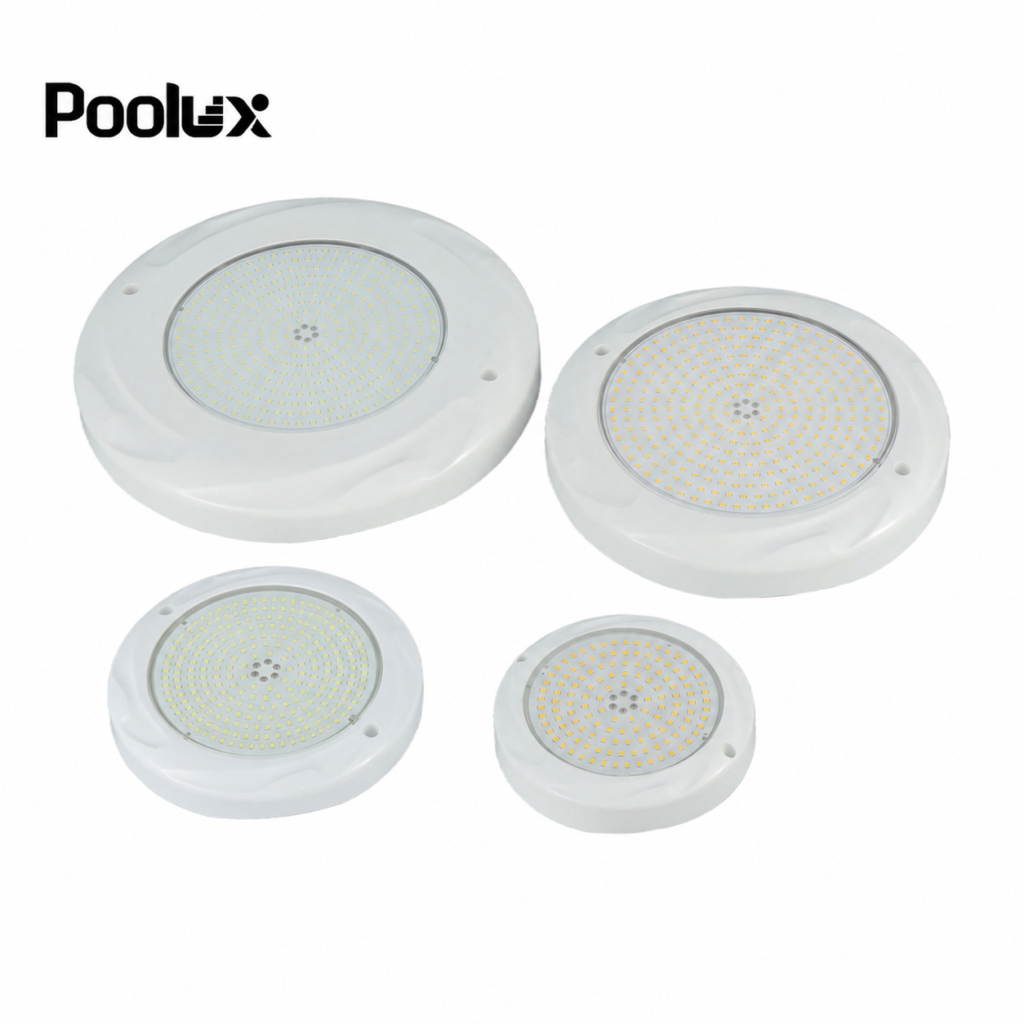
Our product portfolio includes LED pool lights, fountain lights, and other swimming pool equipment and accessories, supporting different residential and commercial project requirements.

We welcome swimming pool distributors, wholesalers, contractors, importers, and project buyers to explore our product range and discuss potential cooperation.
Whether you are sourcing RGB LED pool lights, underwater lighting solutions, or swimming pool products for your next project, Poolux is ready to discuss your requirements.
Frequently Asked Questions About Underwater LED Pool Lighting
1. What are the latest trends in underwater LED pool lighting?
Key trends include energy-efficient LED technology, RGB and RGBW color-changing lights, smart control systems, improved optical performance, durable waterproof construction, and LED retrofit solutions.
2. Are RGBW pool lights better than RGB pool lights?
RGBW pool lights include an additional dedicated white LED channel. This can provide more flexibility for white illumination, while RGB lights offer a range of color-changing effects. The right choice depends on the project’s lighting requirements and budget.
3. How long do underwater LED pool lights last?
Service life depends on LED quality, operating temperature, electrical design, waterproof sealing, and operating conditions. Always refer to the manufacturer’s rated lifetime and testing documentation.
4. Are LED pool lights energy-efficient?
LED pool lights generally consume less electricity than comparable traditional incandescent pool lights. Actual savings depend on power consumption, light output, operating hours, and the lighting system being replaced.
5. Can LED pool lights be used in saltwater swimming pools?
Yes, provided the specific fixture is designed and approved for the intended saltwater application. Buyers should pay particular attention to housing materials, sealing structures, and corrosion resistance.
6. What should distributors consider when buying LED pool lights?
Distributors should evaluate product specifications, safety certifications, waterproof performance, lighting options, material quality, pricing, customization capabilities, and manufacturer support.