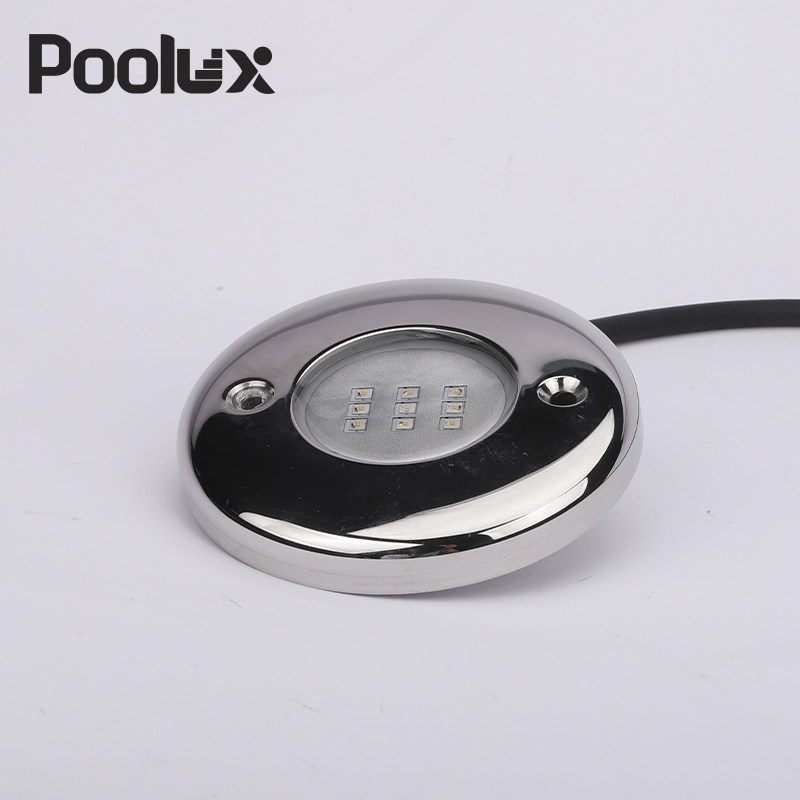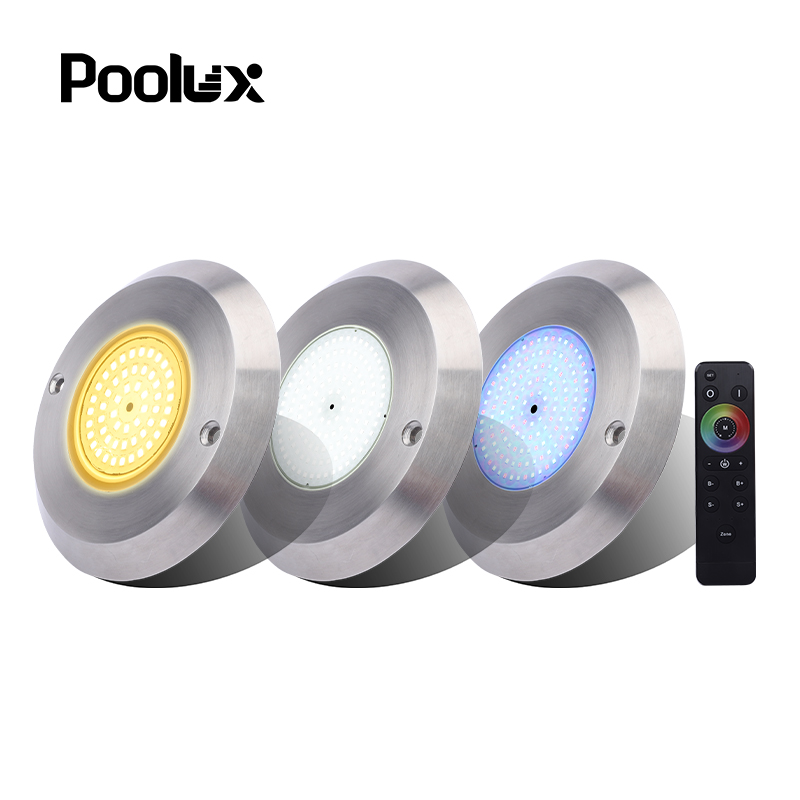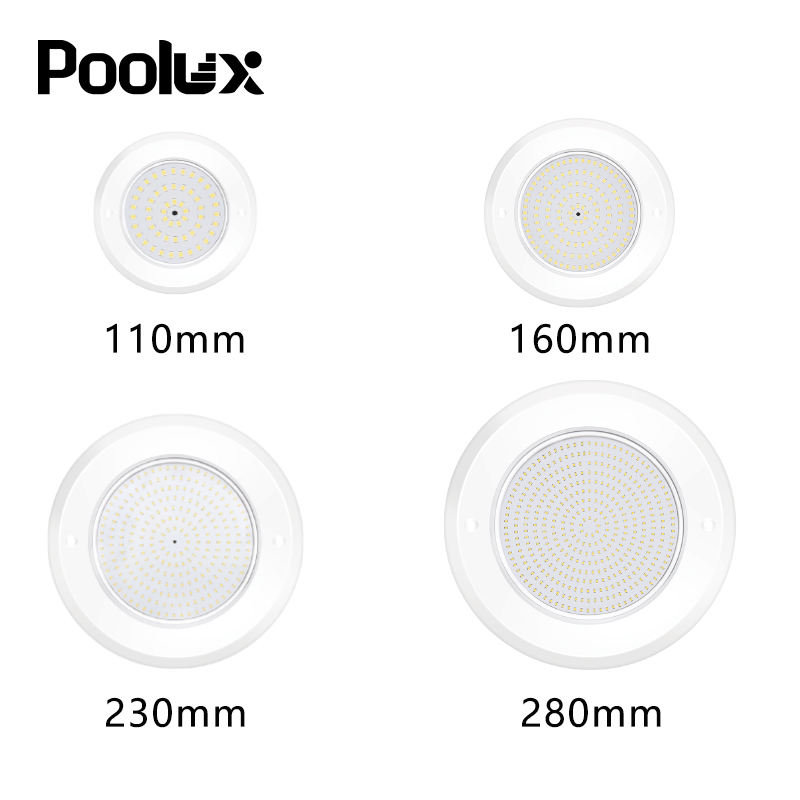
A pool light is a lighting fixture designed to illuminate a swimming pool, spa, fountain, or other water feature. Unlike ordinary indoor or outdoor lights, pool lights are made for wet environments and, in many cases, long-term underwater use. Their main purpose is to make the pool safer, more visible, and more attractive, especially during evening and night-time use. For modern residential pools, hotel pools, resorts, villas, clubs, and commercial swimming pool projects, pool lighting has become an essential part of the complete pool system.
When people think about swimming pool construction, they often focus on the pool structure, tiles, pumps, filters, water treatment systems, and cleaning equipment. However, lighting plays an equally important role in the final experience. A well-installed pool light can make the water look cleaner, help swimmers see steps and edges clearly, create a premium atmosphere, and allow the pool to be used comfortably after sunset.
💡 Quick definition: A pool light is a waterproof lighting product installed in or around a swimming pool to improve visibility, safety, decoration, and night-time usability.
What Does a Pool Light Do?
The most basic function of a pool light is to illuminate the pool water. When the light shines through the water, it makes the pool interior easier to see. This is important because swimmers need to see pool walls, corners, steps, benches, ladders, and depth changes clearly. Without lighting, a swimming pool can become dark and unsafe at night.
Pool lights also improve the appearance of the pool. Light reflecting through moving water creates a soft and attractive visual effect. Even a simple pool can look much more elegant with the right lighting design. For hotels, resorts, and luxury villas, pool lights help create a beautiful night view that can attract guests and improve the overall image of the property.
In addition, pool lights extend the usable time of the pool. With proper lighting, people can swim after sunset, relax by the water in the evening, or hold poolside events at night. This makes pool lighting both a practical and decorative investment.
✅ Main Functions of Pool Lights
- Improve underwater visibility for swimmers
- Increase safety around pool steps, corners, and edges
- Create a beautiful night-time swimming pool atmosphere
- Support evening swimming, parties, and hotel pool use
- Enhance the overall value and appearance of the pool project
How Does a Pool Light Work?
A pool light works by using an internal light source, usually LED chips, to produce brightness inside a sealed waterproof housing. The light is connected to a power source through a cable, and it is usually installed in the pool wall, on the pool surface, or in a suitable mounting position depending on the product type. When powered on, the light spreads through the water and illuminates the pool interior.
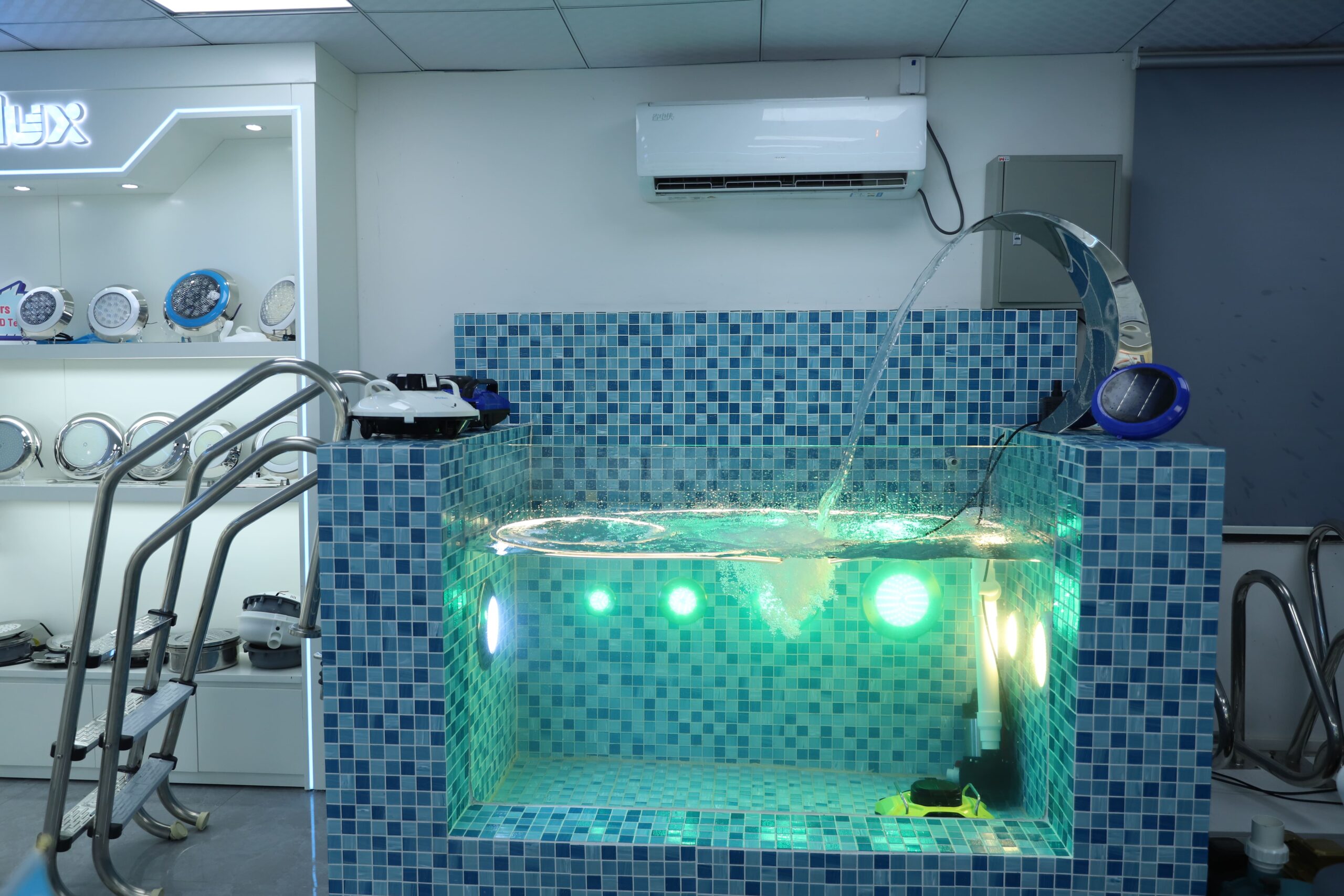
Most modern pool lights use LED technology because LED lights are energy-efficient, bright, long-lasting, and available in many color options. Compared with older traditional lighting systems, LED pool lights can provide strong illumination with lower power consumption. They can also support white light, warm white light, blue light, RGB color-changing light, and smart control functions.
Because pool lights operate in or near water, electrical safety is very important. Many professional pool lighting systems use low-voltage power such as AC12V or DC12V. A suitable transformer is normally required to convert the main power supply into safe low-voltage output. For any swimming pool lighting installation, it is always important to follow local electrical standards and work with qualified installers.
⚡ Important Safety Note
Pool lights should be designed for underwater or wet-area use. Buyers should check the waterproof rating, voltage, cable quality, sealing structure, and installation method before using any light in a swimming pool.
Main Types of Swimming Pool Lights
There are several types of pool lights, and each one is designed for different pool structures and project needs. Choosing the correct type can make installation easier and improve long-term performance. For new pool construction, recessed lights are common. For renovation projects, wall-mounted lights may be more convenient. For vinyl liner pools, special liner pool lights are usually required.
🏊 Common Pool Light Categories
- Recessed pool lights: Installed inside the pool wall, commonly used for new concrete pool projects.
- Wall-mounted pool lights: Installed on the pool wall surface, suitable for many renovation and simple installation projects.
- Vinyl liner pool lights: Designed for pools with vinyl liner structures and special sealing requirements.
- Bracket pool lights: Fixed with a bracket, often used for flexible installation in pools or water features.
- Fountain lights: Used for fountains, water features, landscape pools, and decorative water projects.
The choice of pool light depends on the pool material, wall structure, installation position, depth, required brightness, cable layout, and design style. For example, a small private pool may only need several low-power lights, while a large hotel pool may need multiple lights with careful positioning to avoid dark areas.
LED Pool Lights vs Traditional Pool Lights
Today, LED pool lights are the most popular choice in modern swimming pool lighting. Older pool lights often used halogen or incandescent technology, which consumed more energy and usually required more maintenance. LED pool lights offer better energy efficiency, flexible color options, compact design, and longer service life under proper conditions.
For residential pool owners, LED lights help reduce electricity costs and create a better night swimming experience. For hotels, resorts, clubs, and commercial projects, LED lights are more suitable for long operating hours because they can deliver stable brightness with lower energy consumption. This makes them a practical option for projects that need both performance and visual effect.
✨ Why LED is popular: LED pool lights are energy-saving, bright, durable, and available in many color choices, making them suitable for both private and commercial swimming pools.
Why Is IP68 Important for Pool Lights?
Waterproof performance is one of the most important features of a pool light. Since pool lights may be installed underwater for long periods, they must be protected from water entering the internal electrical parts. This is why many professional underwater lights use an IP68 waterproof rating.
IP68 means the product has a high level of protection against dust and water. For swimming pools, spas, fountains, and landscape water features, IP68 waterproof design is generally considered a key requirement. However, buyers should understand that a waterproof rating alone is not enough. The actual structure, sealing process, cable connection, resin filling, material quality, and production control also affect the real waterproof performance.
🔍 What to Check Before Buying
- Is the light designed for underwater use?
- Does it have an IP68 waterproof rating?
- Is the cable entry properly sealed?
- Is the material suitable for pool water environments?
- Does the supplier provide clear technical specifications?
Common Materials Used for Pool Lights
Pool light material affects durability, appearance, and corrosion resistance. Common materials include stainless steel, PC plastic, ABS, and other engineering materials. Stainless steel pool lights are often used in higher-end projects because they look strong and professional. 316SS stainless steel is especially popular for pool and fountain lighting because it offers better corrosion resistance than ordinary stainless steel.
304SS stainless steel is also used in many pool lighting products and can be suitable for many standard pool applications. PC material is often used for slim or integrated pool lights because it is lightweight and flexible in design. The right material should be selected according to water environment, installation location, budget, and market requirements.
🛠️ Material Selection Guide
316SS stainless steel is often preferred for premium pool projects, fountains, and areas where stronger corrosion resistance is required.
PC or plastic housing can be suitable for lightweight, slim, and cost-effective pool lighting solutions.
Pool Light Colors: White, Warm White, Blue, and RGB
Pool lights are available in different colors. White light is clean, bright, and suitable for modern pools. Warm white light creates a softer and more relaxing atmosphere, especially for villas, spas, and luxury residential projects. Blue light is popular because it enhances the natural color of pool water and gives a cool, fresh appearance.
RGB pool lights can change colors and create different scenes. They are commonly used in hotels, resorts, entertainment pools, holiday villas, and commercial projects where atmosphere is important. With proper control systems, RGB pool lights can create colorful lighting effects for parties, events, or themed poolside environments.
🎨 Design suggestion: Use white or warm white lighting for elegant and premium projects, and choose RGB lighting for entertainment, resort, and decorative pool scenes.
Where Are Pool Lights Installed?
Pool lights are usually installed on the pool wall, near steps, around shallow areas, or in positions where the light can spread evenly through the water. The number and position of lights should be planned according to the size and shape of the pool. A long rectangular pool may need several lights along one side, while a large irregular pool may need a more customized lighting layout.
Lighting position also affects user comfort. If pool lights are installed directly facing seating areas or swimmers’ eyes, they may cause glare. A good design should provide enough brightness without making people uncomfortable. For commercial projects, professional lighting planning can help create better results and avoid dark zones.
📌 Common Installation Areas
- Pool side walls
- Steps and shallow areas
- Large pool corners
- Hotel and resort pool zones
- Spas, fountains, and water features
How to Choose the Right Pool Light
Choosing the right pool light requires more than selecting a good-looking product. Buyers should consider the pool type, voltage, waterproof rating, material, power, brightness, color, installation method, control system, and supplier experience. For B2B buyers such as distributors, pool contractors, engineering companies, and hotel project buyers, stable quality and long-term supply capability are also very important.
🧾 Pool Light Buying Checklist
- Waterproof rating: Choose IP68 for underwater applications.
- Voltage: Confirm AC12V, DC12V, or other required input.
- Material: Select 316SS, 304SS, PC, or other materials according to the project.
- Light color: Choose white, warm white, blue, RGB, or customized colors.
- Installation method: Confirm recessed, wall-mounted, bracket, or liner pool installation.
- Certification: Check CE or other certificates required by your market.
- Supplier support: Ask for catalogs, specifications, real photos, and after-sales support.
When choosing an LED pool light supplier, buyers should not only focus on price. Waterproof design, stable production, material selection, product testing, packaging, certification, and communication efficiency all affect the final project result. A reliable supplier can help reduce maintenance problems and improve customer satisfaction.
🏆 Supplier note: A professional swimming pool lighting manufacturer like Poolux can provide different pool lighting solutions, including IP68 waterproof LED pool lights, AC/DC12V low-voltage models, 316SS or 304SS stainless steel options, RGB lighting, and single-color lighting. For pool contractors, distributors, and commercial project buyers, working with an experienced supplier can help improve product reliability and project value.
Why Pool Lights Are Important for Commercial Projects
For commercial swimming pools, lighting is not only a functional feature. It is also part of the customer experience. Hotels, resorts, clubs, spas, and water parks need attractive pool environments to create a strong visual impression. A pool with good lighting looks more premium in photos, videos, online booking platforms, and social media posts.
Pool lights also support better safety management. In a large hotel or resort pool, staff need to see the water clearly during evening operations. Guests also feel more comfortable when the pool area is bright and inviting. For this reason, many commercial projects include pool lighting in the early design stage instead of treating it as an optional accessory.
Conclusion
A pool light is a waterproof lighting fixture designed to make swimming pools safer, brighter, and more beautiful. It helps swimmers see clearly, improves night-time usability, enhances the pool atmosphere, and increases the overall value of the pool project. From private backyard pools to hotel swimming pools and commercial water features, pool lights play an important role in modern pool design.
When selecting pool lights, buyers should carefully consider waterproof performance, low-voltage safety, material quality, installation type, lighting color, and supplier reliability. A good pool light is not just a decorative product. It is an important part of a safe, attractive, and long-lasting swimming pool system.
Frequently Asked Questions
1. What is a pool light?
A pool light is a waterproof lighting fixture used to illuminate swimming pools, spas, fountains, and other water features. It improves visibility, safety, and the overall appearance of the pool area.
2. Are LED pool lights better than traditional pool lights?
In most modern projects, LED pool lights are preferred because they are energy-efficient, bright, long-lasting, and available in many color options such as white, warm white, blue, and RGB.
3. What waterproof rating should a pool light have?
For underwater use, pool lights should generally have an IP68 waterproof rating. Buyers should also check sealing structure, cable quality, material, and supplier testing process.
4. What voltage is commonly used for pool lights?
Many professional pool lights use low-voltage power such as AC12V or DC12V. A suitable transformer is often required, and installation should follow local electrical safety standards.
5. How do I choose the right pool light for my project?
You should consider the pool type, installation method, waterproof rating, voltage, material, brightness, color, certification, and supplier reliability. For commercial projects, it is especially important to work with an experienced pool lighting manufacturer that understands different project requirements. A professional supplier like Poolux can provide a wide range of LED pool light solutions, including IP68 waterproof designs, AC/DC12V low-voltage options, 316SS and 304SS stainless steel models, RGB or single-color lighting, and support for different installation methods. By choosing a reliable manufacturer, buyers can reduce maintenance risks, improve lighting performance, and create a safer and more attractive swimming pool environment.