Buying a pool robotic pool cleaner is one of the smartest investments for pool owners who want crystal-clear water with less manual work. Unlike traditional suction or pressure cleaners, robotic pool cleaners operate independently from your pool’s filtration system, using intelligent navigation, powerful suction, and advanced filtration to remove dirt, leaves, algae, and fine debris. Whether you own an above-ground pool or a large in-ground swimming pool, understanding how robotic cleaners work and which features truly matter will help you choose a model that delivers long-term value, lower maintenance costs, and consistently cleaner water.
🏊 What Is a Pool Robotic Pool Cleaner?
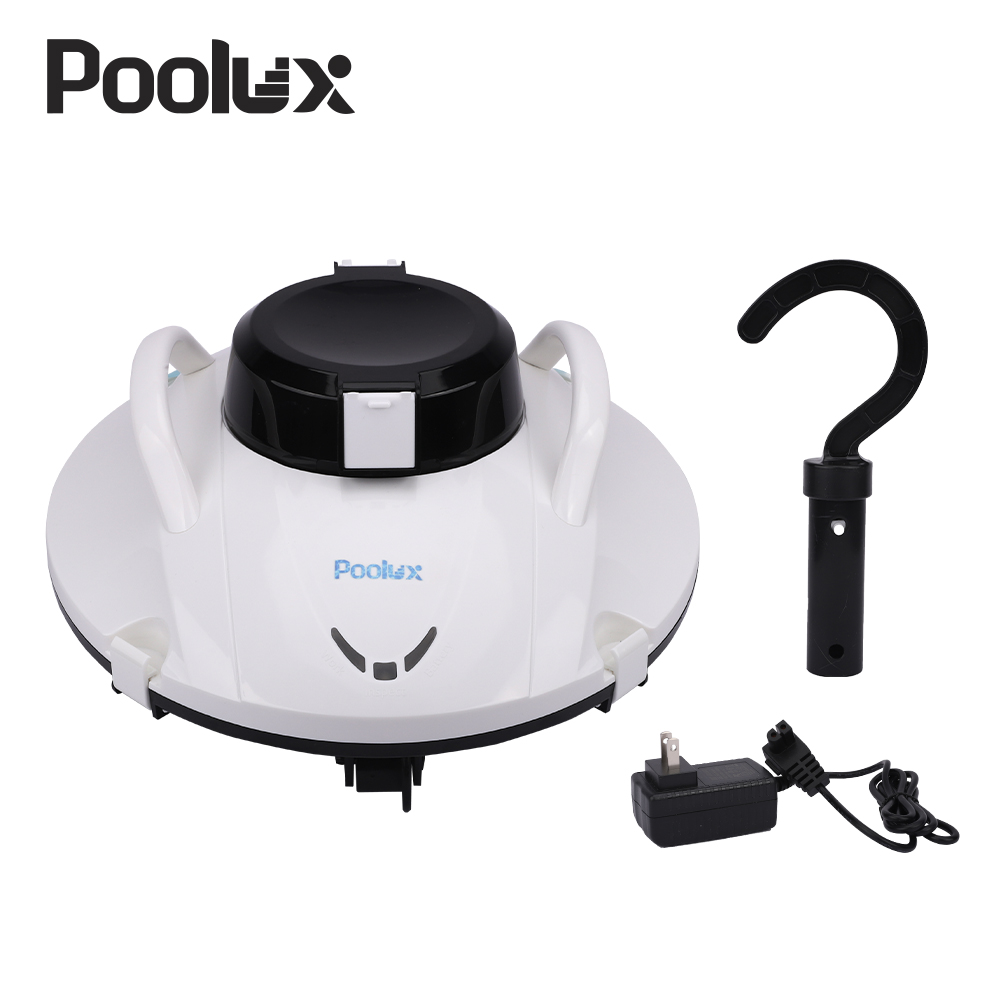
A pool robotic pool cleaner is an automatic cleaning machine designed to clean the floor, walls, and waterline of a swimming pool without relying on the pool pump. It contains its own motor, filtration system, and intelligent navigation technology that allows it to move efficiently throughout the pool while collecting debris into an internal filter basket.
✔ Key Advantages
• Independent cleaning system
• Powerful suction performance
• Low energy consumption
• Intelligent navigation algorithms
• Easy-to-clean filter basket
• Suitable for multiple pool surfaces
Unlike manual vacuuming, robotic cleaners automatically optimize their cleaning routes, reducing cleaning time while improving coverage. Many premium models can even climb walls and scrub the waterline, helping prevent algae buildup and calcium deposits.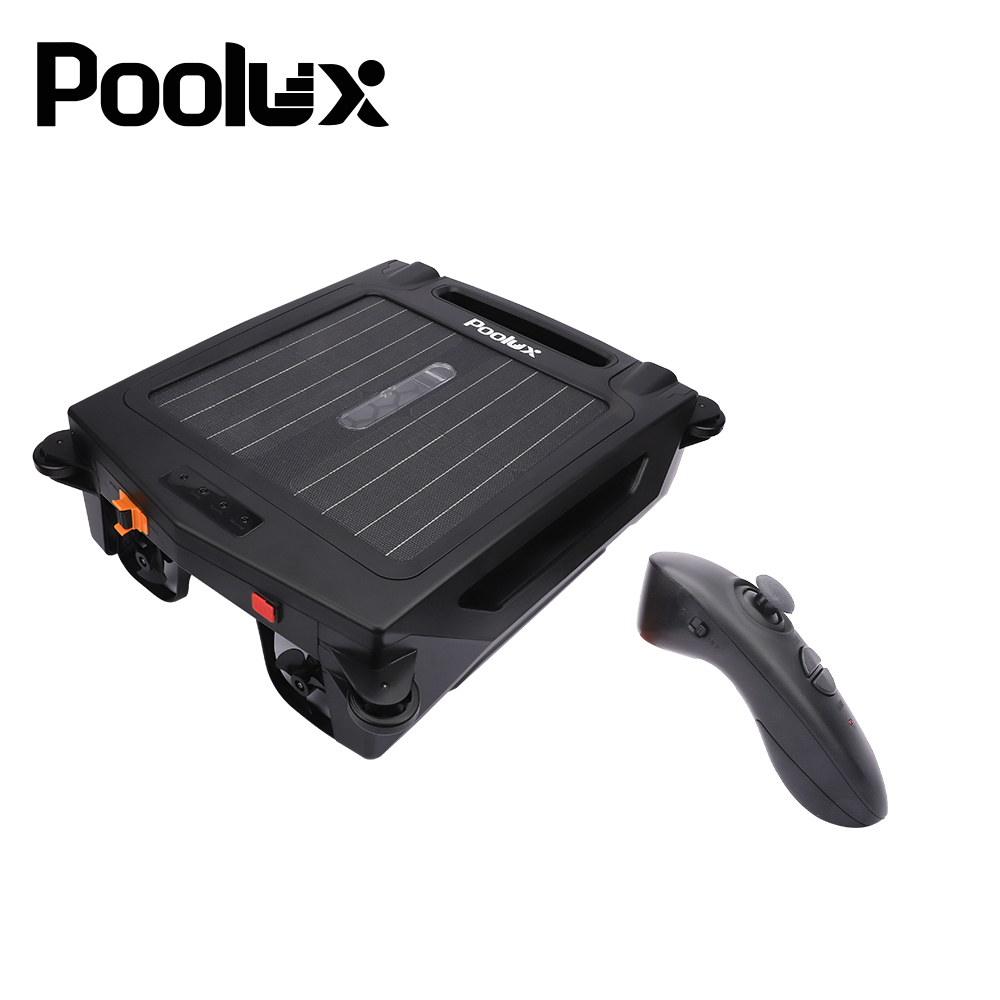
⭐ Why More Pool Owners Are Choosing Robotic Cleaners
Modern robotic pool cleaners have become increasingly popular because they save both time and money. Instead of spending hours brushing surfaces or vacuuming manually, users simply place the robot into the pool, start the cleaning cycle, and let it work independently.
💡 A robotic cleaner not only improves water cleanliness but also reduces wear on your pool filtration system because debris is collected inside the robot instead of entering the pool filter.
 🔍 Features You Should Consider Before Buying
1. Pool Size Compatibility
The first consideration should always be the maximum pool size the cleaner is designed to handle. Some compact models work well for pools under 30 feet, while premium units easily clean pools exceeding 50 feet.
2. Cleaning Coverage
Not every robotic cleaner offers complete coverage. Basic models may clean only the pool floor, while advanced versions can efficiently clean:
- Pool floor
- Pool walls
- Waterline
- Pool steps
- Corners
✔ Recommendation:
For most residential pools, choosing a cleaner with floor, wall, and waterline cleaning offers the best long-term value.
3. Navigation Technology
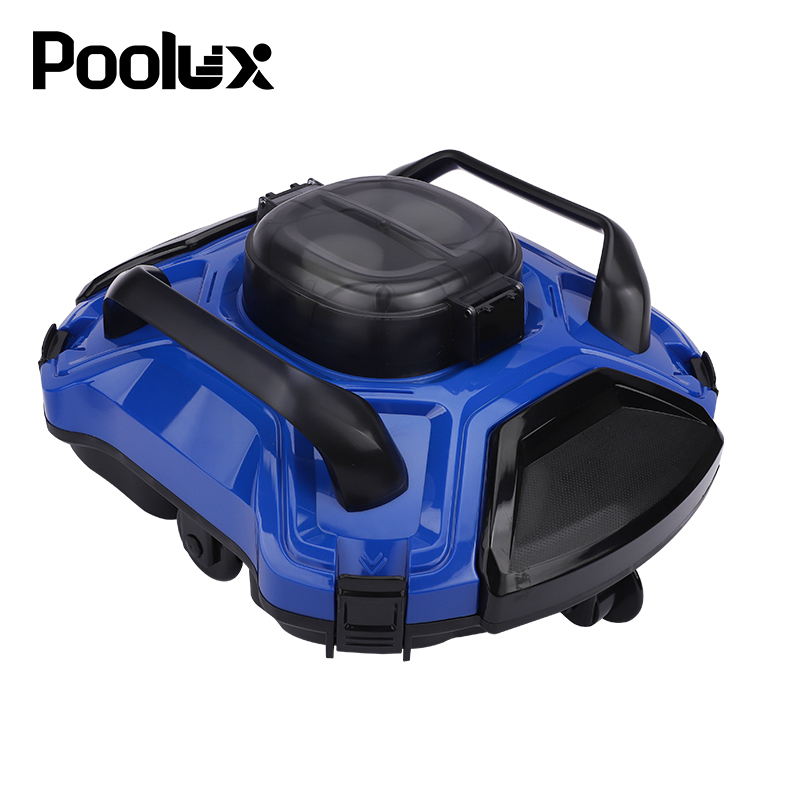
Smart navigation is one of the biggest differences between entry-level and premium robotic pool cleaners. Intelligent mapping systems reduce repeated cleaning paths and maximize coverage efficiency.
Advanced navigation technologies may include:
- Gyroscope positioning
- Smart route planning
- Obstacle detection
- Automatic direction adjustment
- Memory-based cleaning patterns
4. Filtration Performance
The filtration system directly determines how effectively a robotic cleaner removes contaminants. Fine filters capture sand, dust, pollen, and algae, while ultra-fine filters can trap microscopic particles for superior water clarity.
📌 Tip:
Choose a cleaner with removable top-loading filter baskets for faster maintenance and easier cleaning.
⚙ Corded vs Cordless Robotic Pool Cleaners
Both corded and cordless robotic pool cleaners have unique advantages depending on your cleaning habits and pool size.
| Feature | Corded | Cordless |
|---|---|---|
| Runtime | Unlimited | Battery dependent |
| Mobility | Cable management required | Excellent |
| Maintenance | Lower battery maintenance | Battery charging required |
| Best For | Large pools | Convenience |
🧹 Types of Debris a Robotic Cleaner Can Remove
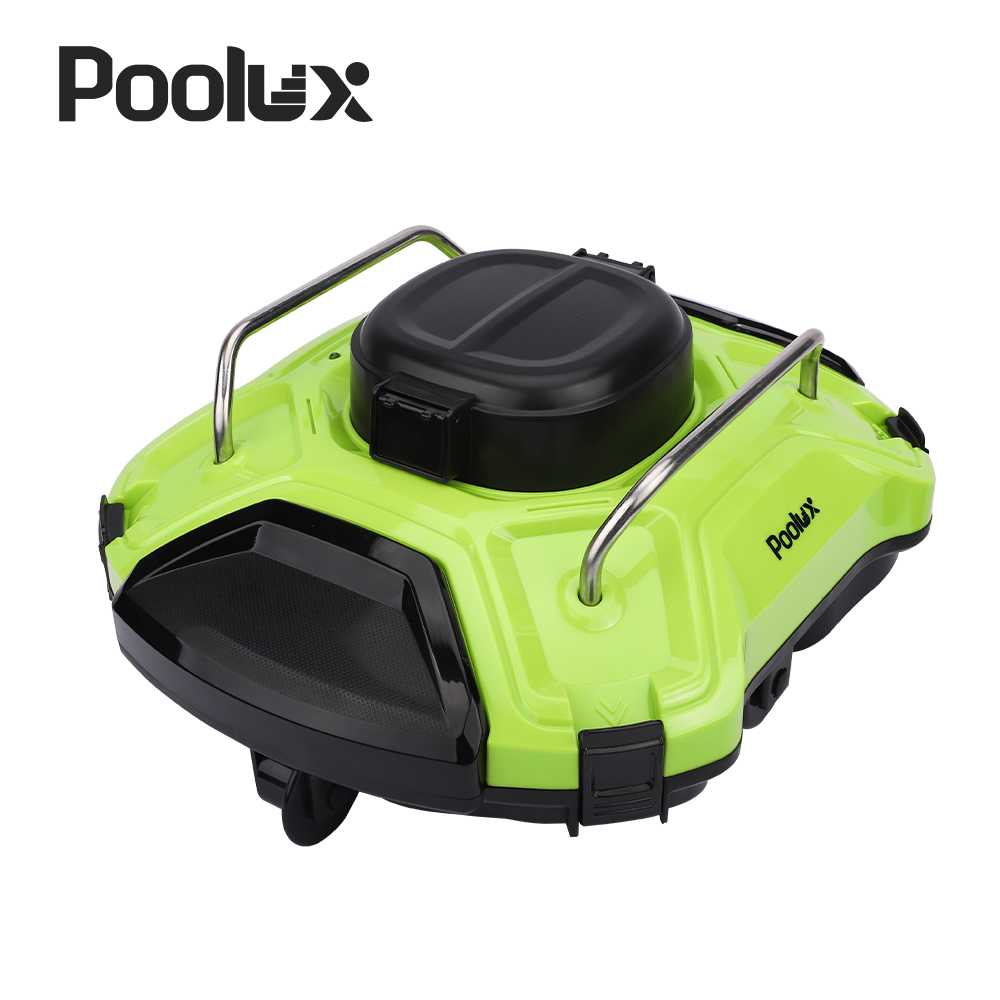
High-quality robotic cleaners are engineered to remove a wide range of contaminants including:
- Leaves
- Grass
- Sand
- Dust
- Hair
- Insects
- Algae
- Fine sediment
- Small stones
🌟 Better filtration means clearer water, lower chemical consumption, and reduced stress on your pool circulation system.
📱 Smart Features Worth Considering
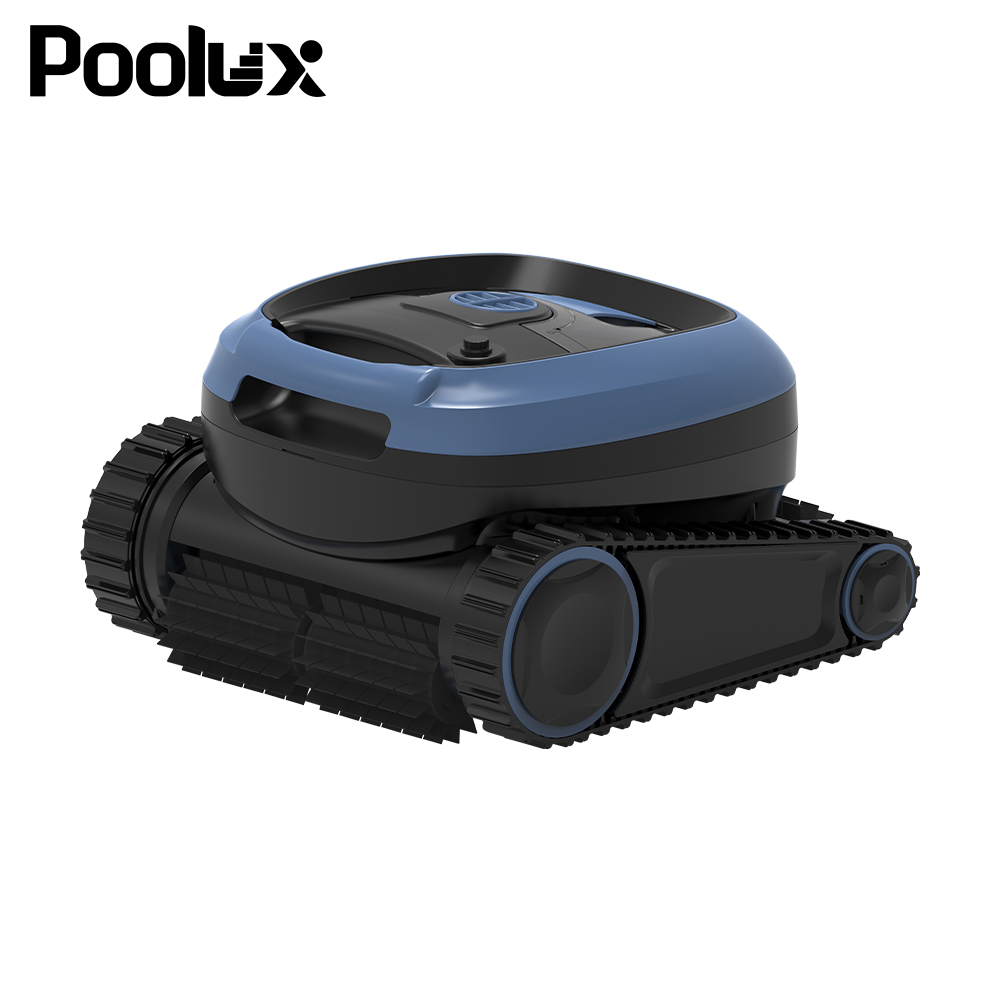
Today’s premium robotic pool cleaners include intelligent functions that simplify pool maintenance even further.
- Wi-Fi connectivity
- Bluetooth control
- Mobile App operation
- Weekly scheduling
- Multiple cleaning modes
- Automatic parking
- Filter cleaning reminders
- Firmware updates
These smart functions provide greater flexibility, allowing users to customize cleaning cycles according to seasonal conditions or pool usage frequency.
🔋 Battery Life and Cleaning Time
For cordless robotic cleaners, battery capacity directly impacts cleaning performance. Most residential pools require between 90 and 180 minutes for a complete cleaning cycle. Larger pools naturally require longer operating times.
⚡ Longer battery life reduces interruptions and allows complete cleaning in a single cycle.
🛠 Maintenance Tips After Purchase
Proper maintenance extends the lifespan of any robotic pool cleaner and keeps cleaning performance at its highest level.
- Clean the filter basket after every use.
- Remove tangled hair or debris from the brushes.
- Store the cleaner in a cool, dry location.
- Keep charging contacts clean.
- Avoid prolonged exposure to direct sunlight.
- Inspect cables or battery connectors regularly.
✅ Regular maintenance not only improves cleaning performance but also helps reduce future repair costs.
💰 Is a Robotic Pool Cleaner Worth the Investment?
Although robotic pool cleaners typically cost more upfront than traditional cleaning equipment, they provide excellent long-term value. Lower energy consumption, reduced manual labor, improved water quality, and decreased strain on your pool filtration system often offset the initial purchase price over time.
Homeowners who regularly maintain swimming pools usually find that robotic cleaners significantly reduce weekly maintenance time while keeping pools cleaner throughout the swimming season.
❓Frequently Asked Questions
Can a robotic pool cleaner replace manual cleaning?
For routine maintenance, yes. Most robotic cleaners effectively handle daily debris and significantly reduce the need for manual vacuuming and brushing.
How often should I run my robotic pool cleaner?
Running the cleaner two to three times per week is sufficient for most residential pools. During heavy swimming seasons or after storms, daily cleaning may provide the best results.
Can robotic pool cleaners remove algae?
Yes. Models equipped with powerful brushes and fine filtration systems can remove light algae buildup. Severe algae outbreaks should first be treated with appropriate pool chemicals.
Are robotic pool cleaners energy efficient?
Yes. Most robotic pool cleaners consume significantly less electricity than relying solely on a pool pump for extended cleaning cycles.
How long does a robotic pool cleaner typically last?
With proper maintenance and regular cleaning of the filters and brushes, a quality robotic pool cleaner can provide reliable performance for many years while maintaining excellent cleaning efficiency.