Choosing the right pool light transformer is one of the most important steps in building a safe, stable, and attractive underwater lighting system. A transformer does much more than simply reduce voltage. It helps protect swimmers, supports consistent light output, reduces the risk of overload, and improves the long-term reliability of your pool lighting circuit. If the transformer is undersized, poorly installed, or mismatched with the fixture load, even high-quality pool lights can flicker, dim, overheat, or fail much earlier than expected.
Whether you are planning a new installation, replacing an aging unit, or comparing transformer options for a renovation project, it is worth understanding how voltage, wattage, cable length, waterproof protection, and installation location all work together. A well-matched pool light transformer creates a safer electrical environment and a better lighting experience. More importantly, it helps you avoid expensive troubleshooting later. After all, nobody wants to drain time and budget into a system that could have been sized correctly from the start.
✔ What this guide covers
Voltage requirements, wattage sizing, IP protection, installation distance, cable selection, voltage drop, and maintenance essentials for a dependable pool light transformer setup.
✔ Who this is for
Pool builders, lighting specifiers, distributors, electricians, facility managers, and homeowners who want safe and reliable underwater lighting performance.
Why the Transformer Matters in a Pool Lighting System
A pool light transformer converts the incoming power supply into a lower voltage that is suitable for underwater lighting fixtures, most commonly 12V and sometimes 24V. This lower voltage is widely used because water and electricity require much stricter safety control than ordinary outdoor lighting. By stepping voltage down to a safer operating level, the transformer becomes a core protective component in the entire system.
It also plays a performance role. When the correct transformer is paired with the correct fixtures, the lights receive steady voltage and operate with more consistent brightness and color output. This is especially important with modern LED pool lights, where unstable input power can affect dimming behavior, RGB control, driver life, and overall system stability. In other words, the transformer is not just a safety accessory. It is the electrical foundation of the lighting design.
🔎 Key idea: A high-quality pool light transformer should deliver the right voltage, enough capacity, solid environmental protection, and stable performance over time.
1. Start With the Correct Voltage
The first rule is simple: match the transformer output to the operating voltage of the pool lights. Most underwater lights are designed for low-voltage operation, typically 12V AC or 12V DC depending on the fixture design. Some systems use 24V, but that is less common in residential pools. Using a transformer with the wrong output voltage can cause immediate failure, poor brightness, driver damage, or shortened lifespan.
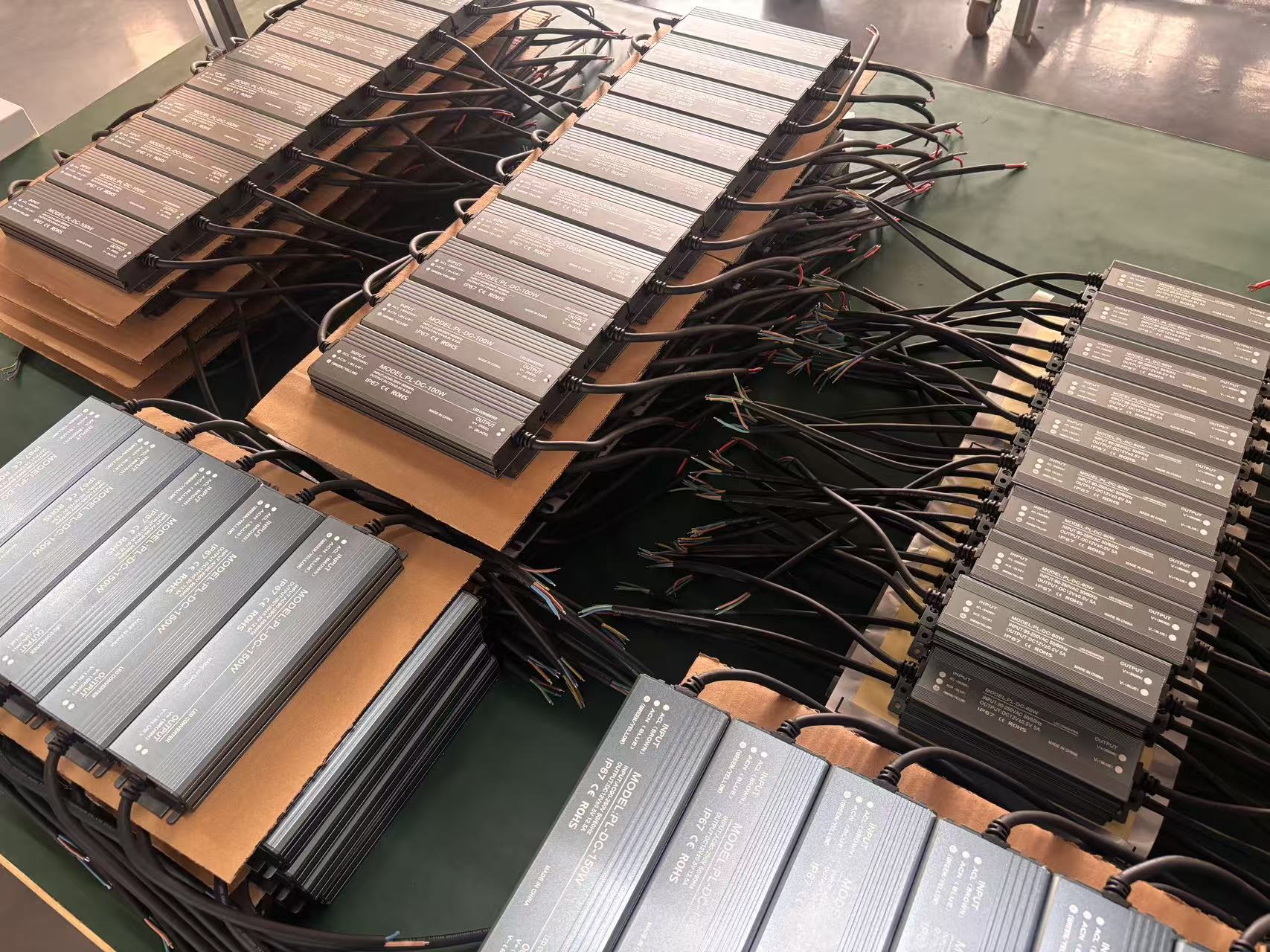
Always check the light specification sheet before selecting a transformer. Do not assume that all pool lights share the same electrical requirements. Some LED pool lights are designed around a specific driver architecture and may require tighter voltage tolerance than older halogen fixtures. If the product states 12V, use a compatible 12V transformer. If it requires AC, do not substitute a DC unit unless the manufacturer clearly allows it.
Best practice
Read both the light label and installation manual. Voltage mismatches often begin with assumptions, not bad products.
Avoid this mistake
Do not choose a transformer based only on wattage. The output voltage must be correct first, then capacity comes next.
2. Size the Wattage With Enough Safety Margin
Once voltage is confirmed, the next step is determining capacity. A transformer must be able to handle the combined load of all connected lights without operating at its absolute maximum for long periods. A common rule used in the field is to size the transformer at around 125% to 130% of the total connected lighting load. This extra headroom helps account for voltage fluctuations, line losses, startup behavior, and long-term reliability.
For example, if you install ten pool lights rated at 10W each, the total connected load is 100W. Applying a 130% sizing rule suggests a transformer of at least 130W. In real-world purchasing, that often means choosing a 150W transformer. The extra margin allows the unit to run cooler and more stably. It also creates space for modest system variation rather than pushing the transformer to its edge every evening.
If the lighting layout includes a large number of fixtures, splitting the load across multiple transformers can be the better choice. This is particularly helpful in large pools, commercial projects, hotel water features, or installations with long cable runs to multiple zones. One oversized transformer is not always the smartest answer. Sometimes a distributed design gives you better voltage consistency and easier maintenance.
⚡ Simple sizing formula
Total fixture wattage = sum of all connected lights
Recommended transformer size = total wattage × 1.25 to 1.30
Then select the next suitable standard transformer rating above that value.
3. Understand IP Protection and Outdoor Durability
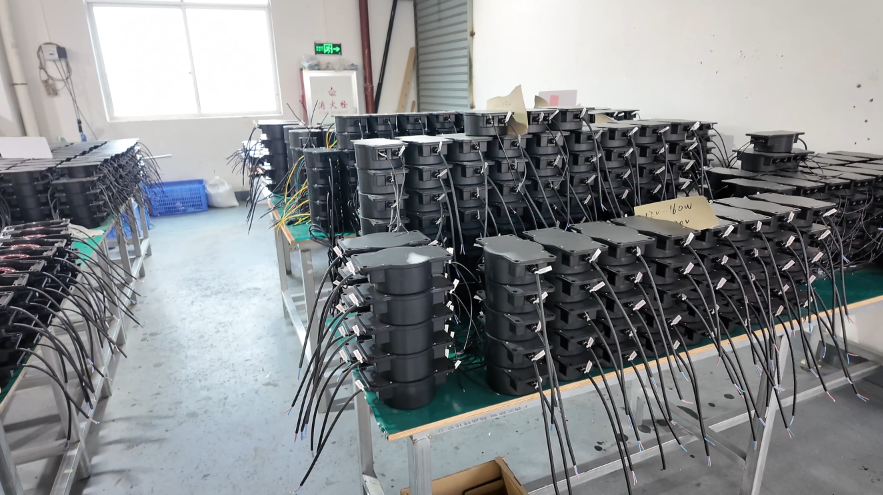
Because pool equipment areas are exposed to moisture, splashing water, chemicals, and weather, enclosure protection is critical. If the pool light transformer is installed outdoors, it should have an enclosure suitable for wet or damp conditions. In many cases, an IP65 rating is considered a practical minimum for outdoor use, while more demanding environments may require IP67 or above for improved resistance to water ingress.
Protection is not only about water. Dust, insects, corrosion, UV exposure, and heat also affect transformer life. For coastal projects or chemically aggressive environments, enclosure materials matter just as much as the rating number. Powder-coated metal housings, corrosion-resistant fasteners, sealed cable entries, and durable gaskets all contribute to longer service life.
If you are sourcing for a premium installation, pay attention to thermal design as well. A transformer that manages heat effectively will generally perform more consistently and last longer. Better ventilation, higher-quality internal components, and reliable overload protection make a visible difference over time.
IP65
Suitable for outdoor locations where the enclosure must resist dust and water jets.
IP67
Better for environments where splashing, heavy moisture, or temporary water exposure is a concern.
Material quality
Look for corrosion resistance, weather durability, and reliable sealing around terminals and cable entries.
4. Installation Location Is Not a Small Detail
Even the right pool light transformer can become a problem if it is installed in the wrong place. Good installation practice keeps the transformer away from direct splash zones and potential flooding areas while still allowing reasonable cable routing to the light fixtures. Many installers prefer to position the transformer above grade and away from the pool wall to reduce water exposure and to simplify inspection and servicing.
A practical reference often cited in project guidance is to place the transformer or junction box at least 10 cm above the horizontal plane and at least 120 cm away from the pool wall. These figures can vary based on local electrical code, so always follow the legally required standard for your market. Still, the principle remains the same: avoid low-lying, splash-prone, and poorly ventilated positions.
The installation area should also allow heat dissipation. Transformers generate heat during operation, and a cramped location with blocked airflow can shorten service life. Leave enough free space around the enclosure, keep debris away, and avoid placing the unit directly beside heat-sensitive materials. You may not see thermal stress immediately, but the damage builds quietly over time.
📌 Practical tip: A clean, dry, accessible mounting location makes future troubleshooting far easier. When a transformer is hard to reach, inspection often gets delayed.
5. Cable Length and Voltage Drop Can Change Everything
Low-voltage lighting systems are more sensitive to voltage drop than many people expect. The longer the cable run, the more resistance the circuit introduces. That resistance can reduce the voltage reaching the light fixtures, causing dim output, inconsistent brightness between fixtures, or unstable operation. This becomes even more important when multiple lights share the same transformer.
A commonly referenced field guideline is to keep the cable between the pool light and the transformer within about 30 meters or 100 feet whenever possible. Shorter runs usually make it easier to maintain consistent voltage. When long runs cannot be avoided, the solution is not guesswork. You need larger cable conductors, better load distribution, or multiple transformers placed more strategically.
Have you ever seen one side of a pool glow brighter than the other? That is often a voltage drop issue rather than a fixture defect. The transformer may be perfectly functional, but the cable design is not supporting equal performance across the system.
6. Choose the Right Cable Gauge and Parallel Layout
Cable selection should be based on both current and distance. Larger conductor sizes reduce resistance and help preserve voltage at the fixture end. To estimate current, divide the power of each light by the operating voltage, then multiply by the number of connected fixtures. That gives you the approximate circuit current needed for cable planning.
In many installations, a main cable runs from the transformer toward the pool, and individual branch connections feed each underwater light. The fixtures are typically connected in parallel, not in series. Parallel wiring allows each light to receive the correct supply voltage. It also prevents one failed light from interrupting the operation of the entire circuit.
Waterproof terminations are just as important as cable size. Use professional waterproof connectors or sealed junction boxes, and make sure the sealing process is done properly. For submerged or long-term damp conditions, choose cable materials designed to resist aging, corrosion, and water exposure. A great transformer cannot compensate for poor cable joints.
🧰 Cable checklist
- Calculate total current before selecting the conductor size.
- Keep cable runs as short and direct as practical.
- Use parallel wiring for multiple pool lights.
- Seal every connection with waterproof components.
- Choose durable cable materials for wet and corrosive environments.
7. Add Safety Devices, Not Just Power Devices
A complete pool lighting system should not rely on the transformer alone for protection. Ground-fault protection, suitable breakers, and code-compliant installation practices are essential. In many markets, a GFCI or equivalent protective device is used so the circuit can shut off quickly if leakage or fault conditions are detected. This is especially important in any environment where people are in or around water.
The correct breaker size matters too. Oversized protection may fail to respond appropriately during abnormal conditions, while undersized protection can cause nuisance tripping. The safest approach is to coordinate transformer rating, wiring design, fixture load, and protective devices as a complete system rather than as separate parts bought at different times.
8. Think About Maintenance Before Problems Start
Regular inspection is one of the easiest ways to extend the life of a pool light transformer. Over time, cable connections can loosen, seals can age, enclosures can develop corrosion, and ventilation paths can become blocked. A simple maintenance schedule helps catch these issues early. Check the housing for cracks or deformation, inspect cable entries and connectors, confirm that any cooling components are functioning properly, and look for signs of overheating such as discoloration or unusual smell.
For commercial facilities, seasonal resorts, and pools with extended operating hours, preventive maintenance is even more important. A small electrical issue discovered during inspection is far less expensive than emergency replacement after a peak-use failure. If you manage multiple pools, standardizing transformer models and service procedures can also reduce spare-parts complexity and speed up repair work.
Signs of a good installation
Stable brightness, dry and secure connections, cool operating conditions, clean enclosure, and easy service access.
Warning signs to watch
Flickering lights, uneven brightness, frequent breaker trips, hot enclosure surfaces, corrosion, or moisture inside the housing.
9. How to Choose the Right Pool Light Transformer in Practice
If you want a practical buying process, begin with five questions. First, what voltage do the pool lights require? Second, what is the total wattage of all fixtures combined? Third, how far is the transformer from the lights? Fourth, where will the transformer be installed and what IP level does that environment demand? Fifth, what protective devices and local code requirements apply to the project?
Once you have those answers, compare transformer options by output compatibility, load headroom, enclosure quality, heat management, and service accessibility. For larger projects, ask whether a multi-transformer layout would improve performance. For premium installations, prioritize durability and environmental protection over the lowest upfront price. That decision often pays for itself through fewer failures and lower maintenance costs.
If you are sourcing for customers, clear product documentation is a competitive advantage. Buyers want to know rated input and output, maximum load, enclosure protection, recommended installation environment, and basic wiring guidance. The easier you make selection, the easier you make the sale.
✅ Bottom line: The right pool light transformer is the one that matches fixture voltage, provides enough capacity, resists the environment, supports the cable layout, and aligns with safe installation practice.
Frequently Asked Questions
1. What voltage is most common for a pool light transformer?
The most common output voltage is 12V for underwater pool lights, although some systems use 24V. Always confirm the exact requirement from the light manufacturer before choosing a transformer.
2. How do I calculate the right transformer size for pool lights?
Add the wattage of all connected lights, then apply a safety margin of about 125% to 130%. If the total load is 100W, selecting a 130W to 150W transformer is usually a practical choice.
3. Can one transformer power multiple pool lights?
Yes, one transformer can power multiple lights as long as the total load stays within the rated capacity and the cable design is suitable. In larger systems, multiple transformers may provide better voltage balance and easier maintenance.
4. Why are my pool lights dim or uneven in brightness?
Common causes include voltage drop from long cable runs, undersized cable, overloaded transformers, poor waterproof connections, or a mismatch between the light voltage and transformer output.
5. Does a pool light transformer need to be waterproof?
If the transformer is installed outdoors or in a wet equipment area, it should have a suitable protective enclosure, commonly IP65 or higher depending on the environment. Waterproof or weather-resistant construction is essential for long-term safety and durability.