Fountain nozzles are the heart of any ornamental fountain. They determine the shape, height, movement, and visual appeal of the water display. Whether you are designing a decorative garden fountain, a commercial landscape feature, a public square installation, or a resort water attraction, selecting the right fountain nozzle is essential for achieving the desired effect. With a wide range of nozzle types available, understanding their characteristics, water requirements, and performance capabilities can help you create a stunning and efficient fountain system.
Why Fountain Nozzles Matter
A fountain nozzle controls how water is discharged from a fountain system. Different nozzle designs produce unique water patterns ranging from elegant vertical jets to dramatic fan-shaped sprays and dynamic multi-stream displays.
💡 The nozzle determines more than aesthetics. It also affects water consumption, pump requirements, splash radius, maintenance frequency, and overall system efficiency.
Choosing the wrong nozzle can result in excessive splashing, poor visual effects, increased energy consumption, and higher maintenance costs. Therefore, understanding the different nozzle options is the first step toward building a successful fountain project.
Understanding the Main Types of Fountain Nozzles
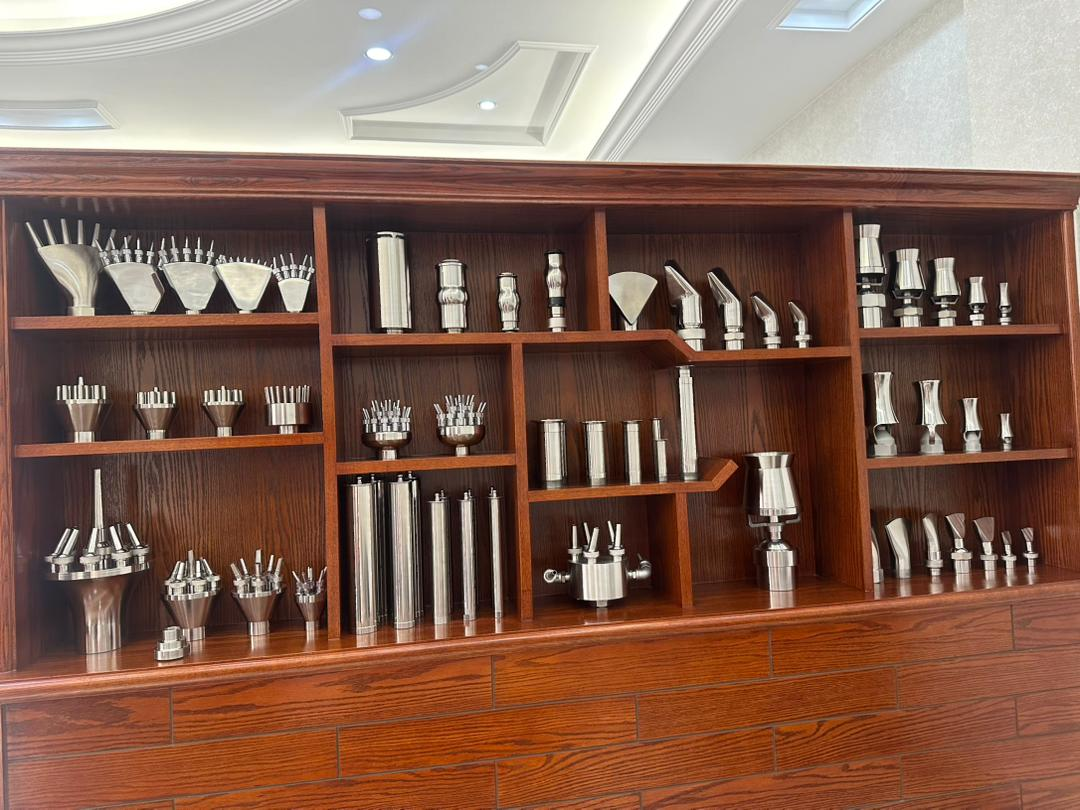
There are numerous fountain nozzle designs available on the market. Each one creates a distinct water pattern and serves different decorative purposes.
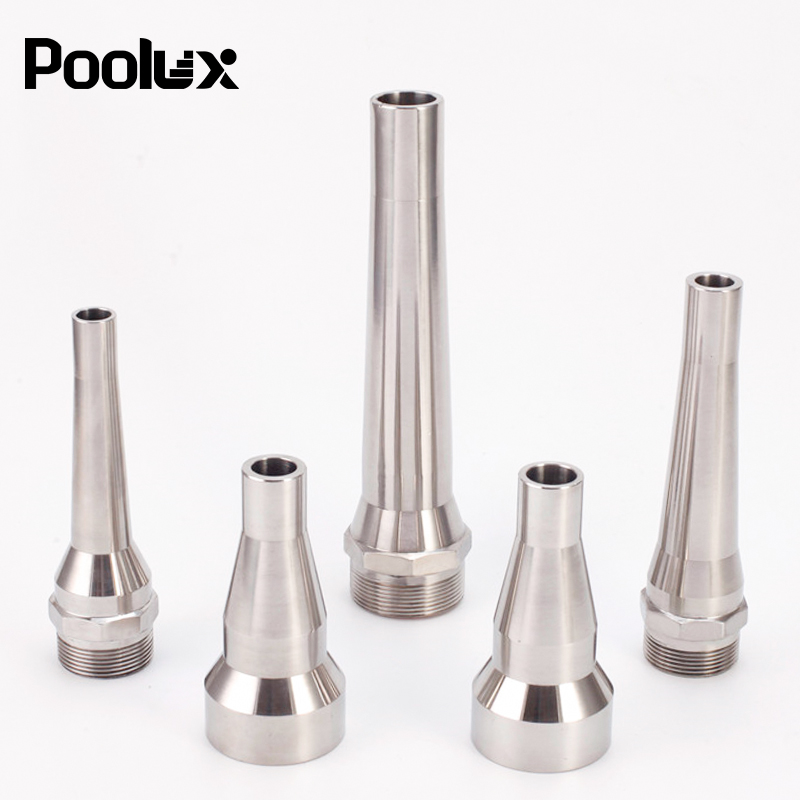
1. Single Jet Nozzles
Single jet nozzles produce a straight column of water that rises vertically. They are among the simplest and most widely used fountain nozzles.
✅ Ideal for formal gardens, entry fountains, reflective pools, and architectural water features.
Their clean appearance makes them suitable for both modern and traditional fountain designs.
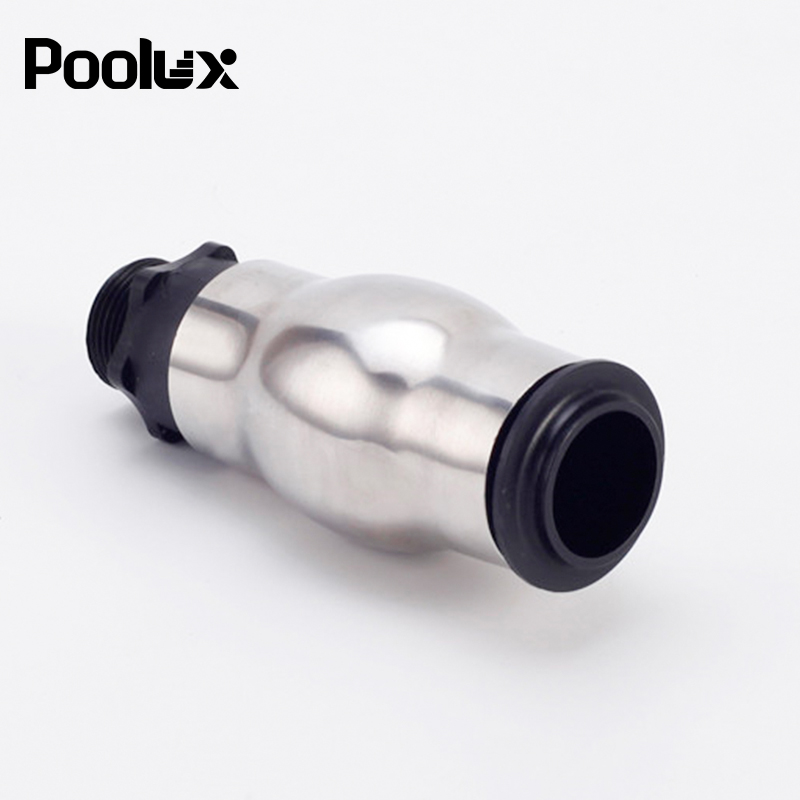
2. Foam Jet Nozzles
Foam jet nozzles generate a thick, white, aerated water stream. These nozzles are highly visible and perform well even in windy environments.
The water column appears bright and attractive during both daytime and nighttime, making foam jets popular in commercial landscapes and public spaces.
3. Bell Fountain Nozzles
Bell nozzles create a transparent dome-shaped sheet of water that resembles a glass bell.
These elegant nozzles are commonly used in luxury hotels, resorts, parks, and decorative garden fountains where a sophisticated visual effect is desired.
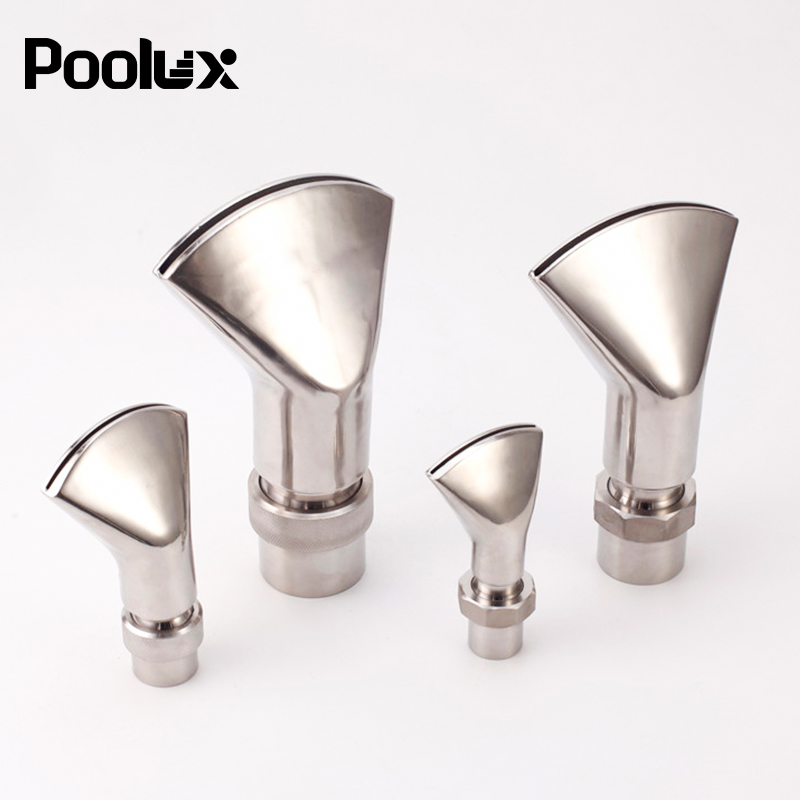
4. Fan Spray Nozzles
Fan spray nozzles create wide, flat water patterns similar to a handheld fan. The water spreads horizontally and provides excellent visual coverage.
These nozzles are often used to add movement and texture to larger fountain installations.
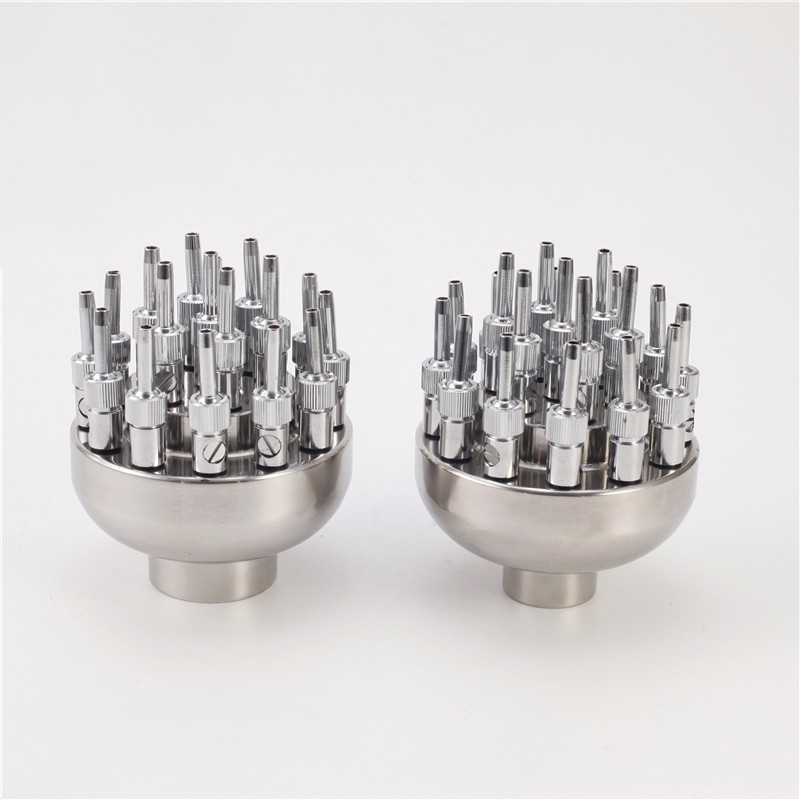
5. Multi-Tier and Crown Nozzles
Multi-tier nozzles discharge multiple streams simultaneously, creating crown-like water patterns. They are ideal for central fountain displays and ceremonial water features.
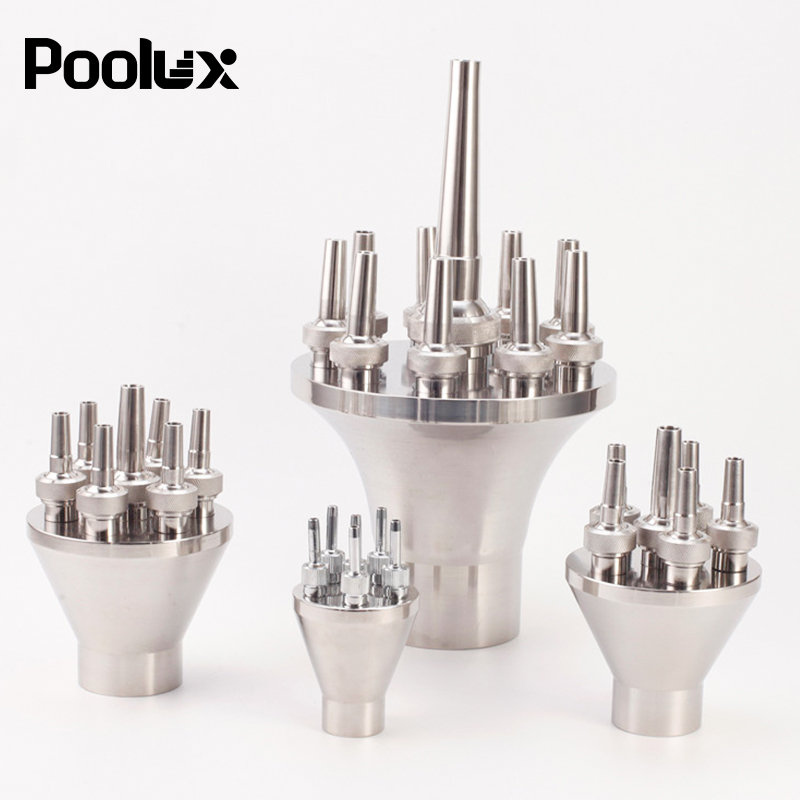
👑 Crown nozzles create impressive focal points and are frequently used in municipal projects and luxury developments.
Factors to Consider When Choosing a Fountain Nozzle
Selecting the best fountain nozzle involves evaluating multiple technical and aesthetic factors.
Water Effect Requirements
The first consideration is the visual effect you want to achieve.
- Elegant and minimalist appearance → Single Jet Nozzle
- Dynamic and highly visible display → Foam Jet Nozzle
- Luxury decorative effect → Bell Nozzle
- Wide coverage pattern → Fan Spray Nozzle
- Grand centerpiece display → Crown Nozzle
Always start by defining the desired aesthetic outcome before selecting technical specifications.
Pool Size and Fountain Dimensions
The size of the fountain basin directly impacts nozzle selection.
Large nozzles installed in small basins often cause excessive splashing and water loss. Conversely, small nozzles in large pools may appear visually insignificant.
📏 General Rule: The splash radius should remain safely within the fountain basin boundaries under normal operating conditions.
Pump Capacity and Flow Rate
Every fountain nozzle requires a specific water flow rate and operating pressure. The fountain pump must be properly matched to the nozzle.
An undersized pump may produce weak water patterns, while an oversized pump can distort the intended effect or damage equipment.
Before purchasing a nozzle, carefully review the manufacturer’s flow rate recommendations and pump compatibility specifications.
Water Pressure Requirements
Certain nozzles perform well under low pressure, while others require higher operating pressures to achieve optimal results.
For example:
- Foam jets typically operate efficiently at moderate pressure.
- Tall vertical jets often require higher pressure.
- Bell nozzles require stable pressure for a smooth water sheet.
Wind Conditions
Outdoor fountains are heavily influenced by wind. High vertical water displays may drift significantly during windy weather.
For locations exposed to frequent winds, foam jets and lower-profile nozzles are often better choices because they maintain their shape more effectively.
Choosing Fountain Nozzles for Different Applications
Residential Garden Fountains
Homeowners typically prioritize aesthetics, low maintenance, and quiet operation. Bell nozzles, small crown nozzles, and gentle fan sprays are excellent choices.
Compact fountain systems can benefit from efficient nozzle designs that provide visual impact without excessive water consumption.
Commercial Landscapes
Hotels, shopping centers, office parks, and residential developments often require visually striking fountain displays.
Combining multiple nozzle styles can create layered water effects that enhance visitor experiences and improve property value.
Public Parks and Plazas
Public installations usually demand durability, visibility, and low operating costs.
Foam jets and crown nozzles are popular because they remain attractive under varying weather conditions and can be viewed from long distances.
🏛️ Municipal fountain projects often prioritize durability and public safety over extremely complex water patterns.
Materials Used in Fountain Nozzles
The construction material of a fountain nozzle directly affects its lifespan and maintenance requirements.
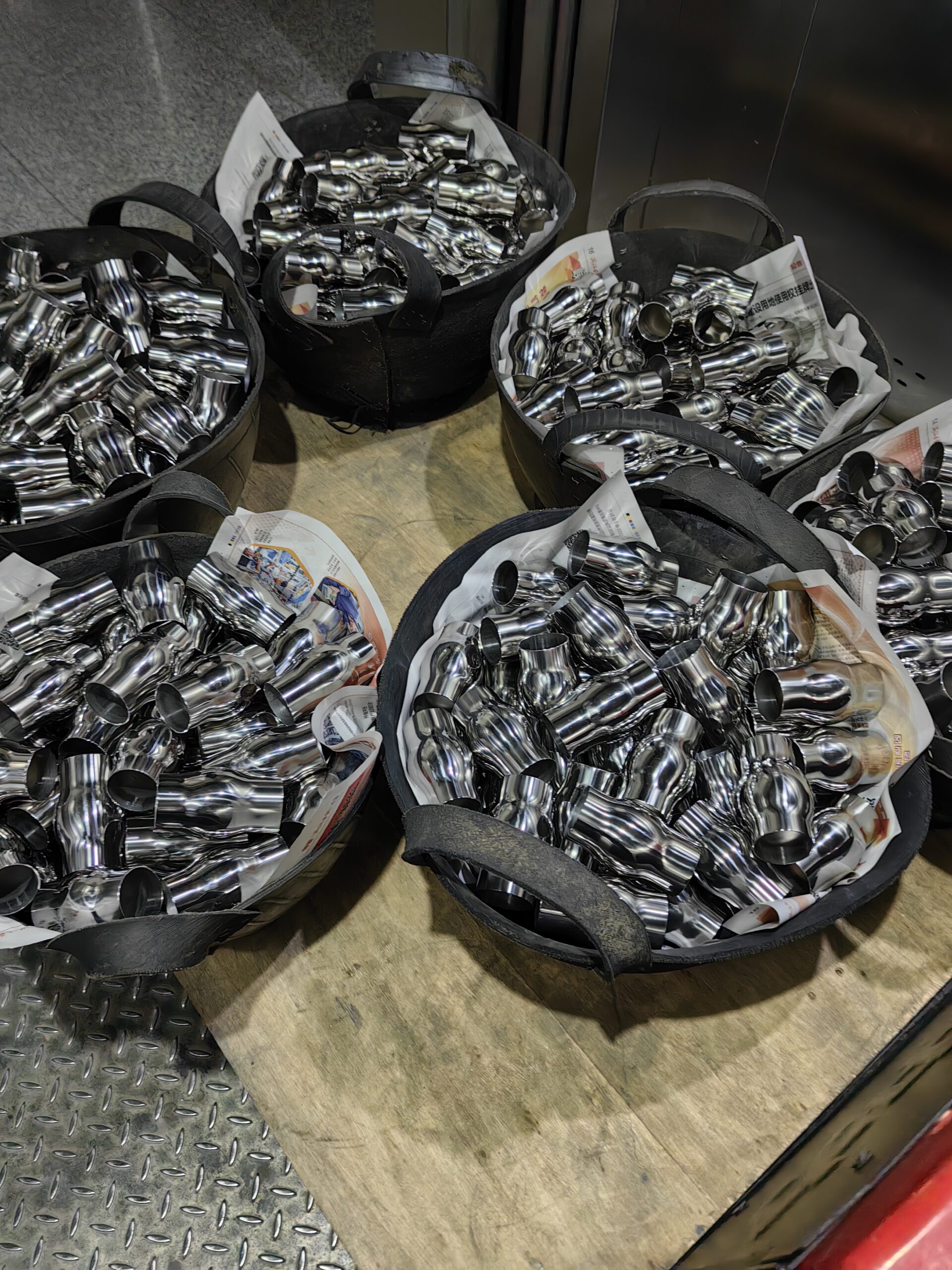
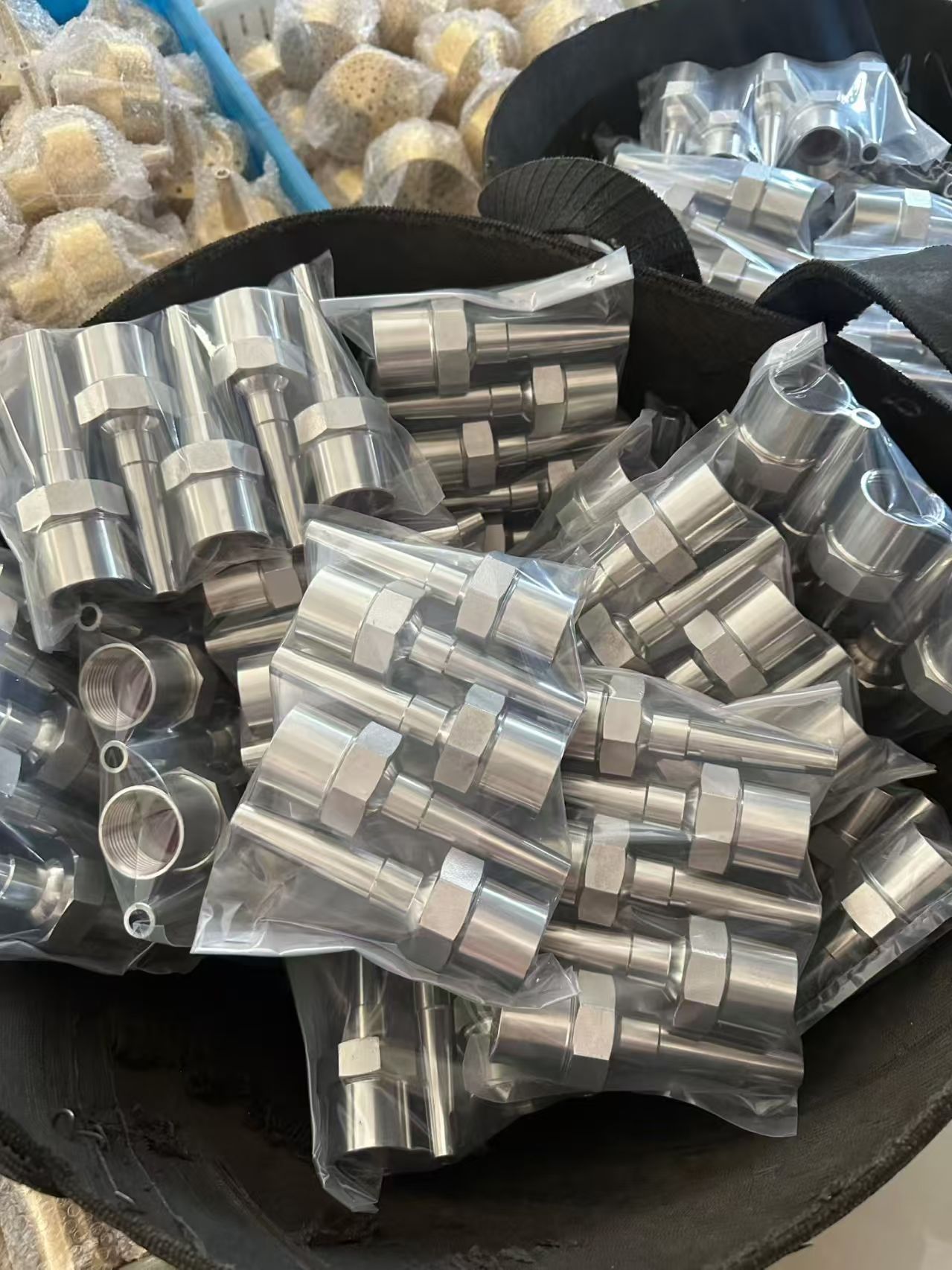
Stainless Steel Fountain Nozzles
Stainless steel is one of the most popular materials due to its corrosion resistance, durability, and elegant appearance.
It performs particularly well in outdoor environments and decorative water features.
Brass Fountain Nozzles
Brass nozzles provide excellent machining precision and are commonly used in decorative fountain applications.
They offer reliable performance but may require additional maintenance in certain water conditions.
Engineering Plastic Nozzles
Plastic fountain nozzles are lightweight and economical. They are suitable for smaller decorative fountains and indoor water features.
Maintenance Considerations
Even the best fountain nozzle requires regular maintenance to maintain optimal performance.
- Inspect nozzles periodically for mineral buildup.
- Clean debris from water passages.
- Check alignment and positioning.
- Monitor pump performance.
- Replace worn seals when necessary.
Regular maintenance ensures consistent water patterns and extends equipment lifespan.
Combining Multiple Fountain Nozzles
Many modern fountain projects utilize multiple nozzle types within a single installation. This approach creates layered visual effects and enhances overall fountain performance.
For example, a central vertical jet may be surrounded by crown nozzles, while fan sprays add movement around the perimeter.
Advanced fountain systems can also integrate lighting, programmable pumps, and digital controls to create dynamic water shows.
How to Make the Final Decision
The ideal fountain nozzle should balance aesthetics, hydraulic performance, maintenance requirements, and budget considerations.
✔ Determine the desired water pattern.
✔ Evaluate pool dimensions.
✔ Verify pump capacity.
✔ Consider local wind conditions.
✔ Select durable materials.
✔ Plan for future maintenance.
By carefully evaluating these factors, designers and fountain owners can choose a nozzle that delivers beautiful water displays while ensuring long-term operational efficiency.
Frequently Asked Questions
1. What is the most popular fountain nozzle type?
Single jet and foam jet nozzles are among the most widely used because they are versatile, visually appealing, and suitable for many fountain applications.
2. How do I know which nozzle matches my pump?
Check the nozzle’s required flow rate and operating pressure, then compare those specifications with your pump’s performance curve.
3. Which fountain nozzle performs best in windy areas?
Foam jet nozzles generally perform best in windy environments because their aerated water streams are more stable and less susceptible to drift.
4. Are stainless steel fountain nozzles better than plastic ones?
Stainless steel nozzles typically offer greater durability, corrosion resistance, and longevity, making them suitable for professional fountain installations.
5. Can multiple nozzle types be used in one fountain?
Yes. Combining different nozzle types can create more dynamic and visually attractive water displays while enhancing the overall fountain design.